41° and Clear
Image
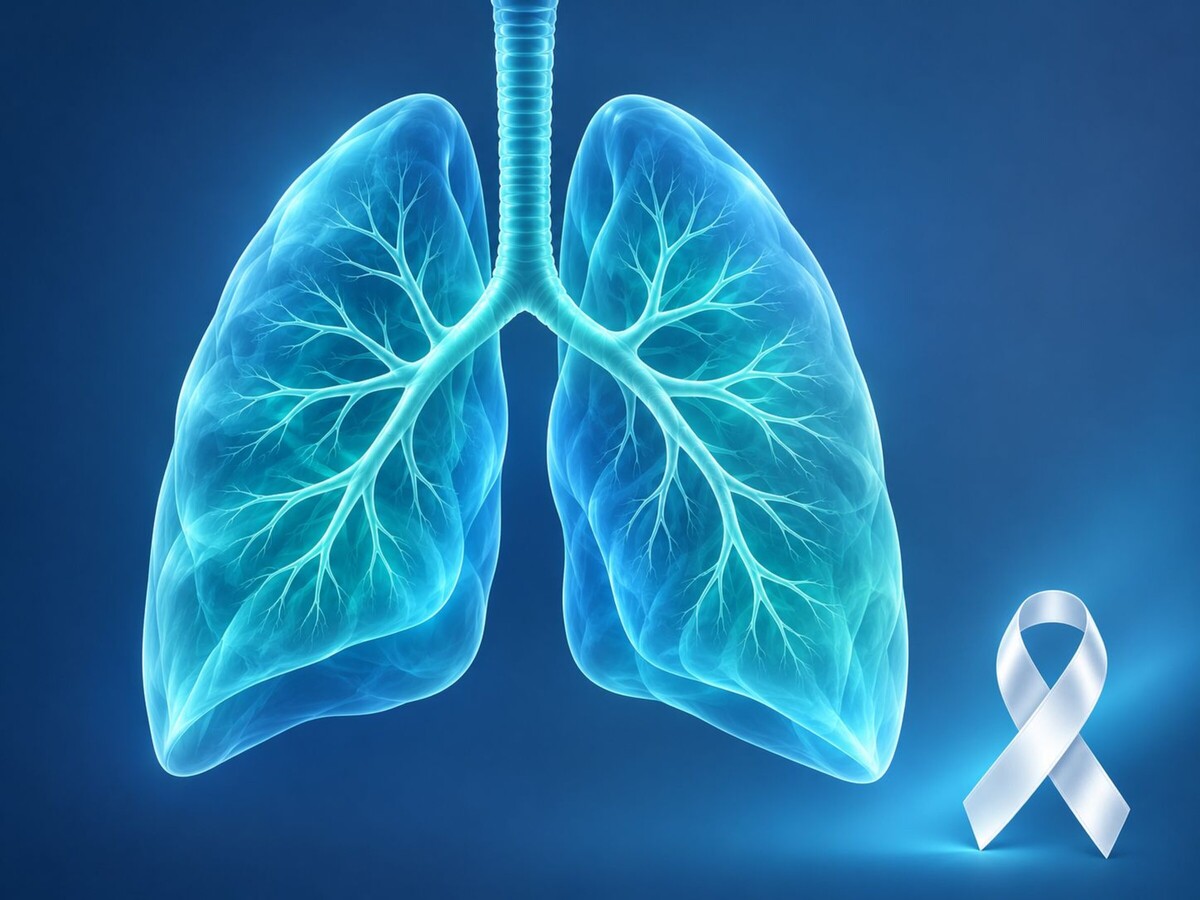
(AI-generated illustration / Warren County Post) November is Lung Cancer Awareness Month, highlighting the importance of recognizing risk factors, understanding warning signs and detecting lung cancer early.



WARREN COUNTY, OH -- An average of 158 Warren County residents were diagnosed with lung and bronchus cancer annually between 2018 and 2022, while approximately 101 residents died from the disease each year, according to the Ohio Department of Health's 2025 Warren County Cancer Profile.
Those numbers highlight why November, recognized as Lung Cancer Awareness Month, serves as an important reminder about prevention, early detection and understanding the disease's risk factors.
Although cigarette smoking remains the leading cause of lung cancer, people who have never smoked can also develop the disease.
According to the Centers for Disease Control and Prevention (CDC), smoking is responsible for nearly nine out of 10 lung cancer cases. However, exposure to secondhand smoke, radon gas, asbestos and certain workplace chemicals can also increase a person's risk.
One lesser-known danger is asbestos, a naturally occurring mineral once widely used in insulation, flooring, roofing and other construction materials. When asbestos-containing materials are damaged or disturbed during renovations or demolition, microscopic fibers can become airborne and enter the lungs.
Over time, exposure can lead to lung cancer or mesothelioma, a rare cancer affecting the lining of the lungs and other organs. According to The Mesothelioma Center, asbestos-related cancers may take decades to develop after exposure.
The Environmental Protection Agency recommends that homeowners planning renovations involving suspected asbestos-containing materials consult qualified professionals before disturbing them.
Another important risk factor is radon, an invisible, odorless radioactive gas that occurs naturally in the ground and can accumulate inside homes.
The CDC identifies radon as a significant cause of lung cancer, even among nonsmokers.
Because radon cannot be detected without testing, the EPA encourages homeowners to test their residences and take corrective action when elevated levels are found.
Lung cancer frequently produces few or no noticeable symptoms in its early stages.
As the disease progresses, warning signs may include:
Anyone experiencing these symptoms should consult a health care professional.
The American Cancer Society recommends annual lung cancer screening using low-dose computed tomography (CT) scans for adults ages 50 to 80 who currently smoke or previously smoked and have a history of at least 20 pack-years.
A pack-year means smoking an average of one pack of cigarettes daily for one year.
The American Cancer Society recommends screening eligible former smokers regardless of how long ago they quit, although federal screening recommendations and insurance coverage criteria may differ.
Screening can identify cancer before symptoms develop, when treatment may be more effective.
Health experts encourage residents to avoid tobacco products, reduce exposure to environmental hazards, test homes for radon and discuss personal risk factors with their physicians.
For Warren County residents, Lung Cancer Awareness Month offers an opportunity to learn more about a disease that continues to affect families throughout the community.
Additional Resources:



Sunny, with a high of 50 and low of 32 degrees. Sunny for the morning, clear for the afternoon and evening, partly cloudy overnight.





It's extremely concerning to me that the online comments go directly to an Engineering firm-not publicly posted on a county website. It feels as if community concerns are not being heard at all. What a farce and a shame.