50° and Clear
Image
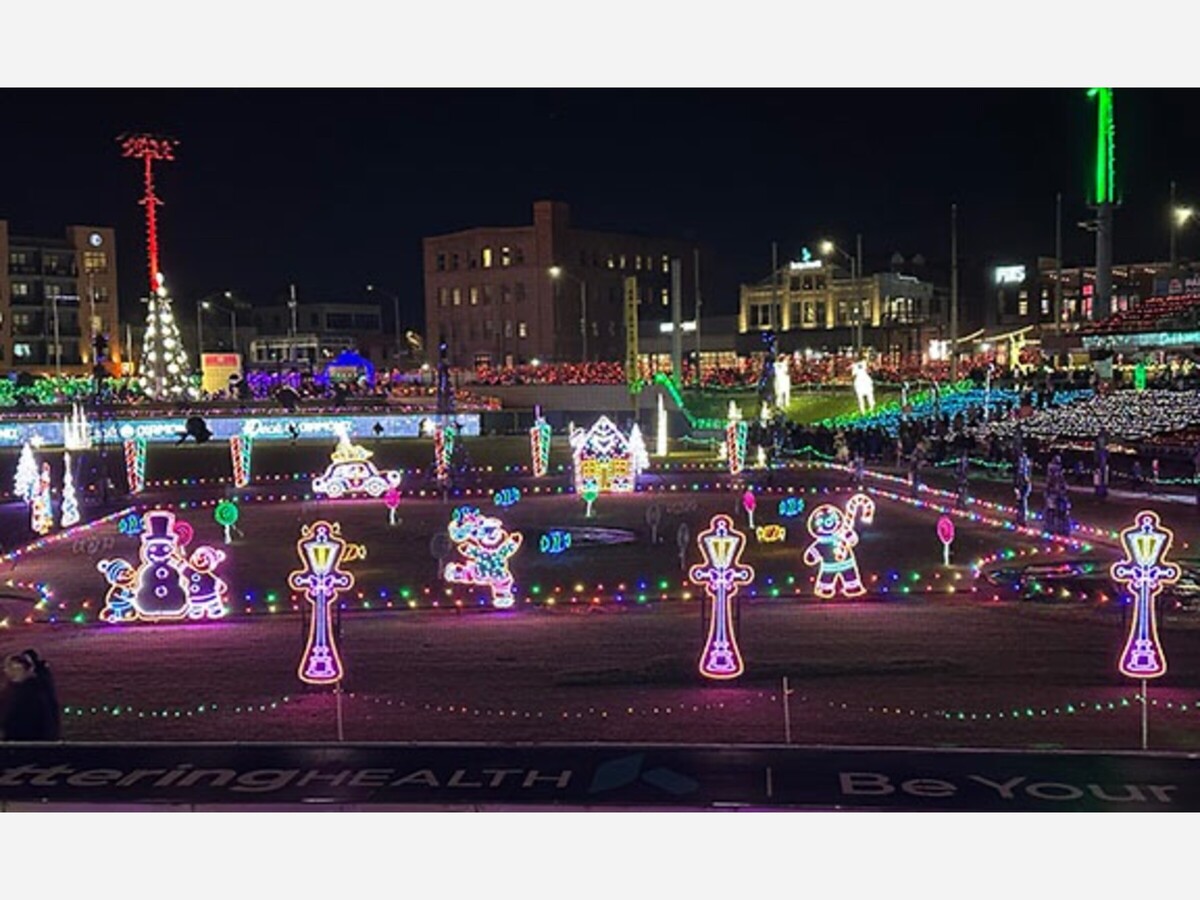
A light display at "Deck the Diamond" in Dayton



Middletown's Holiday Whopla
WARREN COUNTY, OH --Christmas lights are a relatively modern addition to holiday traditions, rooted in both religious symbolism and technological innovation. Their story begins with candles, long before the invention of electricity.
In early Christian Europe, evergreen trees were brought indoors during the Christmas season as symbols of eternal life. By the 17th century, these trees were decorated with candles, especially in Germany. The candles represented Christ as the “Light of the World,” a central theme in Christian theology. Small candles were attached to tree branches using wax or metal holders and were lit briefly, usually during Christmas Eve celebrations, due to the obvious fire risk.
The practice spread across Europe and later to North America with German immigrants in the 18th and 19th centuries. By the mid-1800s, candle-lit Christmas trees had become fashionable among wealthy families, though the danger and expense kept the tradition out of reach for many households.
The transition from candles to electric lights occurred in the late 19th century, closely tied to the development of electric power. In 1882, Edward H. Johnson, a business partner of inventor Thomas Edison, is credited with creating the first electrically lit Christmas tree. Johnson displayed the tree in his New York City home, decorating it with 80 hand-wired red, white, and blue light bulbs. At the time, electricity was still a novelty, and the display was considered a technological marvel.
Early electric Christmas lights were expensive and required professional installation, limiting their use to affluent homes, businesses, and public displays. It wasn’t until the early 20th century, as electricity became more widespread and manufacturing costs dropped, that electric lights became accessible to the general public. By the 1920s and 1930s, strings of Christmas lights were being mass-produced and sold in department stores, gradually replacing candles as the safer alternative.
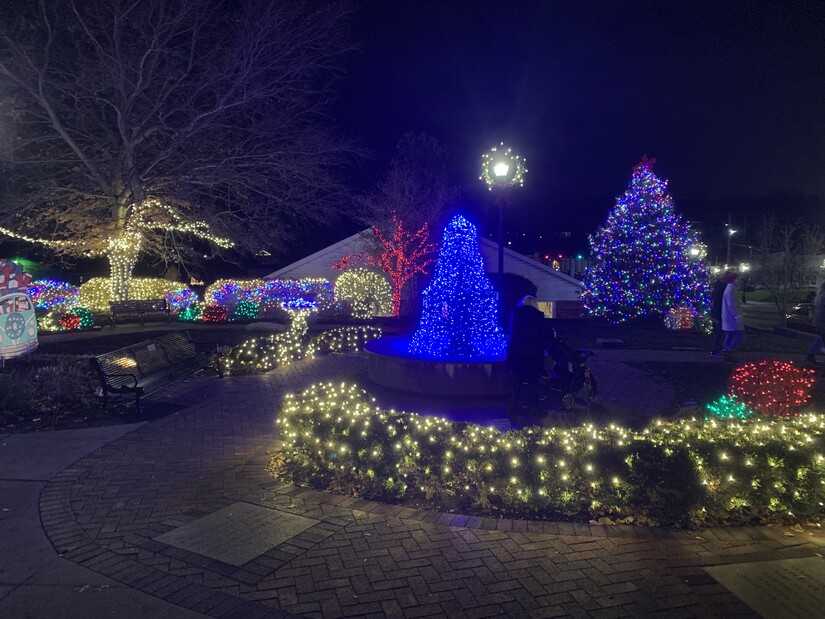 Lights in Downtown Lebanon
As electric lighting became common, Christmas lights expanded beyond trees to decorate homes, streets, and public spaces. Communities began organizing large outdoor displays, and cities used lights to attract shoppers during the holiday season. Over time, the tradition evolved from a religious symbol into a broader cultural celebration associated with warmth, joy, and festivity.
Today’s Christmas lights reflect over a century of innovation, from incandescent bulbs to modern LED technology. While their forms and colors have changed, their purpose remains connected to their origins: bringing light into the darkest time of the year and marking the Christmas season with a sense of celebration and hope.


Sunny, with a high of 70 and low of 46 degrees. Sunny for the morning, partly cloudy in the afternoon, overcast for the evening, clear overnight.