63° and Patchy rain nearby
Image
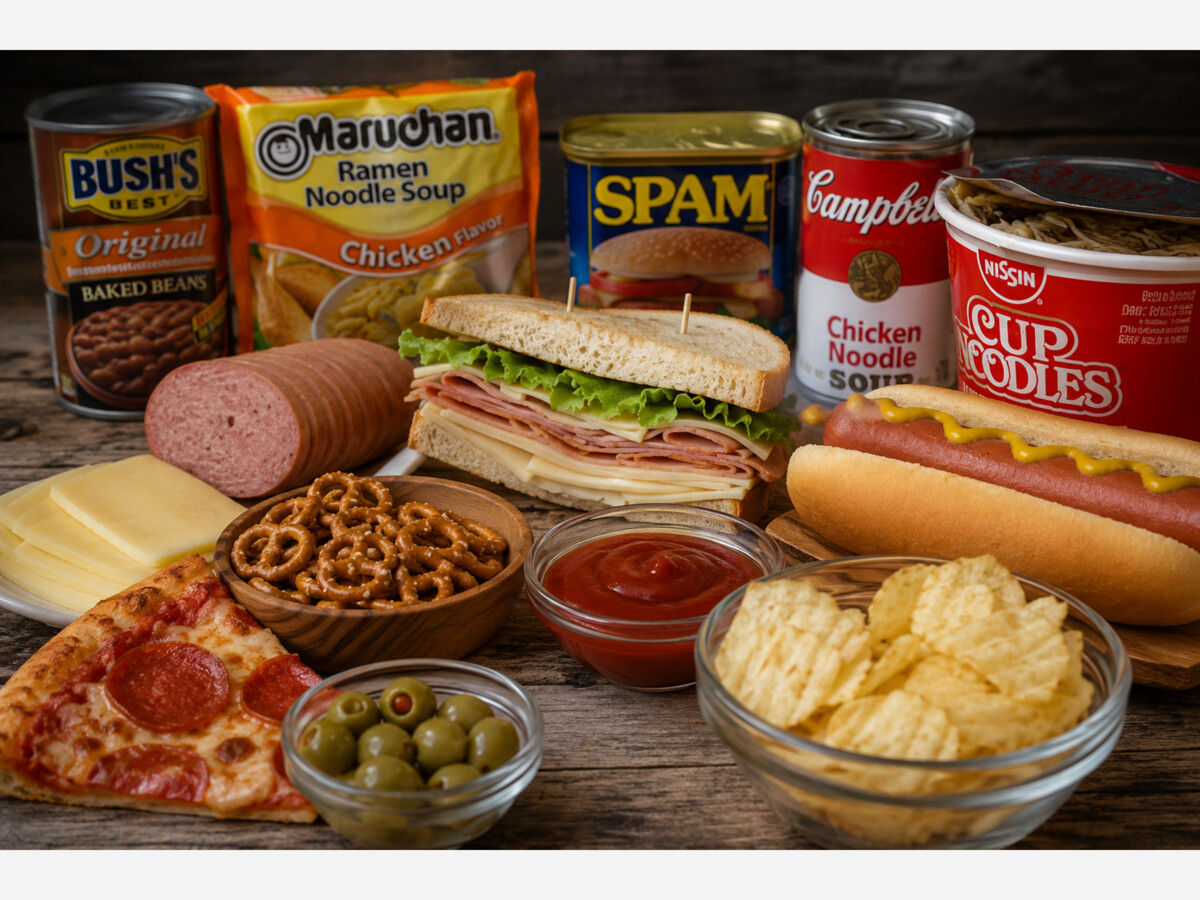
Photo via chatGPT



KINGS MILLS, OH -- Summer is all about grilling, picnics, and family gatherings, but behind those delicious spreads may be an unexpected health threat: sodium. Mercy Health cardiologists are warning that many popular summer foods are packed with hidden salt that can raise blood pressure and increase the risk of heart disease.
“Even foods that don’t taste salty can be loaded with sodium,” said Patricio Alzamora, MD. “Condiments, marinades, and processed snacks often have much more than people realize, and it adds up quickly, especially when you’re eating out or at events.”
According to the American Heart Association, the average adult consumes more than 3,400 milligrams of sodium per day. That’s far above the recommended 2,300-milligram limit and nearly double the ideal intake of 1,500 milligrams for people with high blood pressure.
Common “sneaky salt” offenders that you should watch out for include:
“Salt makes food taste great, but over time it takes a toll on the heart. Too much sodium pulls fluid into the bloodstream, forcing the heart to work harder and raising blood pressure,” said Dr. Alzamora.
Cardiologists recommend small, realistic changes to keep summer eating fun and flavorful. First, opt for fresh herbs, citrus, or vinegar-based marinades instead of pre-made sauces. You should also choose fresh meats and veggies over processed or pre-seasoned options to gain more control. Make sure to rinse canned beans or vegetables to wash away excess sodium. Also, keep water nearby and limit high-sodium drinks like certain sports beverages or sodas.
“It’s about progress, not perfection,” Dr. Alzamora added. “Even reducing sodium intake by 1,000 milligrams a day can make a significant difference in lowering blood pressure.”
Mercy Health’s cardiology team is made up of physicians and advanced practice clinicians who are using the latest technology and most up-to-date techniques to help patients prevent, manage, treat, and recover from heart diseases and conditions. For more information about heart health & the treatment options available, visit mercy.com.


Overcast, with a high of 63 and low of 58 degrees. Overcast during the morning, patchy rain nearby in the afternoon, overcast in the evening, patchy rain nearby overnight.