47° and Clear
Image
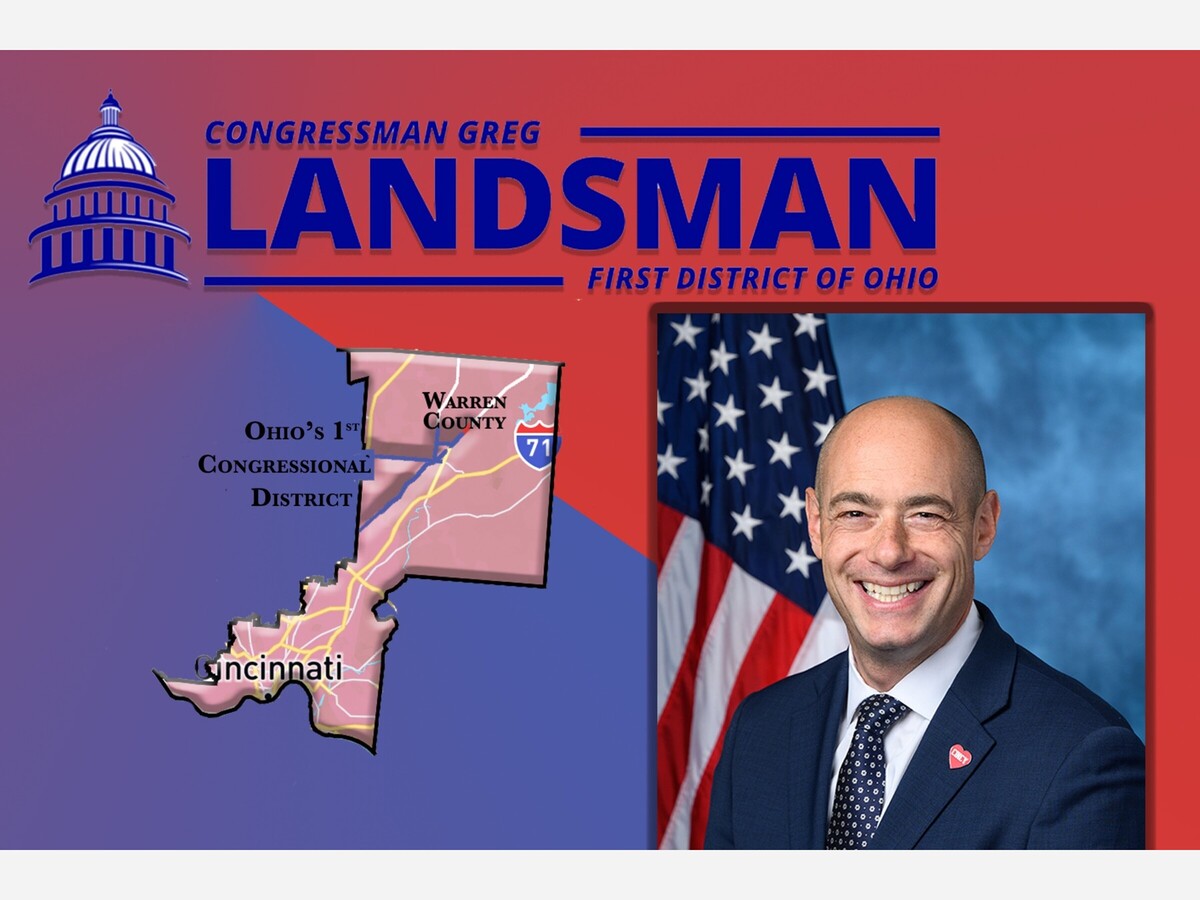



WARREN COUNTY, OH-- For residents of communities such as Carlisle, where railroad tracks cross several local roadways, waiting for a passing train is nothing unusual. However, when trains stop for extended periods, blocked crossings can create more than a traffic inconvenience — they can prevent emergency responders from reaching people who need immediate assistance.
A fatal house fire in nearby Lockland has renewed concerns about the dangers of blocked railroad crossings and prompted U.S. Rep. Greg Landsman, D-Ohio, to demand answers from federal officials.
On Oct. 18, 89-year-old Marian Haefner died following a house fire in Lockland, a Hamilton County community north of Cincinnati.
According to Lockland Fire Chief Doug Wehmeyer, a stopped Norfolk Southern train blocked the firefighters' usual route to the home, delaying their response by approximately seven minutes. The trip normally takes about 30 seconds.
Although officials have not established that the delay caused Haefner's death, the incident raised serious questions about the safety of communities divided by active railroad tracks.
On Nov. 17, Landsman announced that he had sent a letter to Federal Railroad Administration Administrator David Fink requesting information about the agency's efforts to address blocked crossings.
According to figures cited in Landsman's letter, more than 33,000 blocked railroad crossing reports were submitted nationwide during a recent 12-month period. More than 22% indicated that first responders were unable to cross the tracks.
Landsman asked federal officials to explain how blocked crossings are investigated, what preventive measures are being considered and how railroad operators communicate with 911 dispatchers when emergency access is obstructed.
"I firmly believe the federal government must act on this issue to prevent unnecessary deaths due to emergency responders being delayed at blocked railway crossings," Landsman wrote.
Ohio law prohibits stopped trains from blocking public railroad crossings for more than five minutes under certain circumstances.
However, in August 2022, the Ohio Supreme Court ruled that federal law preempts the state's authority to enforce that restriction.
The ruling left communities with limited legal options when stopped trains obstruct local roads.
The Federal Railroad Administration also acknowledges that blocked crossings can interfere with emergency services, but there is currently no federal regulation establishing a nationwide time limit for trains occupying crossings.
The problem is particularly concerning in communities where railroad tracks divide residential neighborhoods from fire stations, hospitals and other emergency services.
The Federal Railroad Administration maintains an online reporting system where residents can document blocked railroad crossings.
Reports help federal officials identify recurring problems, determine which crossings are most frequently obstructed and work with railroad operators and local communities on possible solutions.
Residents can submit reports through the Federal Railroad Administration's Blocked Crossing Portal.
Landsman's letter requests federal action to improve coordination between railroads and emergency responders.
For communities throughout Southwest Ohio, including those in Warren County, the issue raises an important question: When seconds count during an emergency, how can residents be assured that help will be able to reach them?
The full letter can be read here.

Sunny, with a high of 61 and low of 38 degrees. Cloudy in the morning, sunny during the afternoon, clear for the evening,