Image
Nature Close to Home and Ohio Certified Volunteer Naturalist Dave Woehr shares monthly naturalist stories.



WARREN COUNTY, OH -- What a summer it has been. The weather isn’t following its usual script. My flower and vegetable gardens aren’t doing as well as in past years. We’re getting a few tomatoes, cucumbers, and okra pods, but certainly not the bumper crops we’ve experienced in bygone times.
I used to have beautiful beds of zinnias. Not this year. At the time when they usually germinate, the zinnia seeds apparently rotted in soil that was cold and damp too late into the season. But when August arrived we suddenly experienced extreme heat and humidity along with frequent “monsoon” rains.
The plants that made it to this point seem to be responding well to these mid-summer conditions. I don’t remember my grass ever being this green and this tall in August. I would normally have to water the lawn frequently. Not this year so far. And, the trees are all still sporting lush green leaves. None are turning yellow and dropping yet, as I would usually see by now.
Meanwhile, at the same time, I’m taking note of the effect the summer weather is having on the lawn and gardens, it is also bringing about changes along the nature trails in our parks, preserves, and privately-owned woodlands.
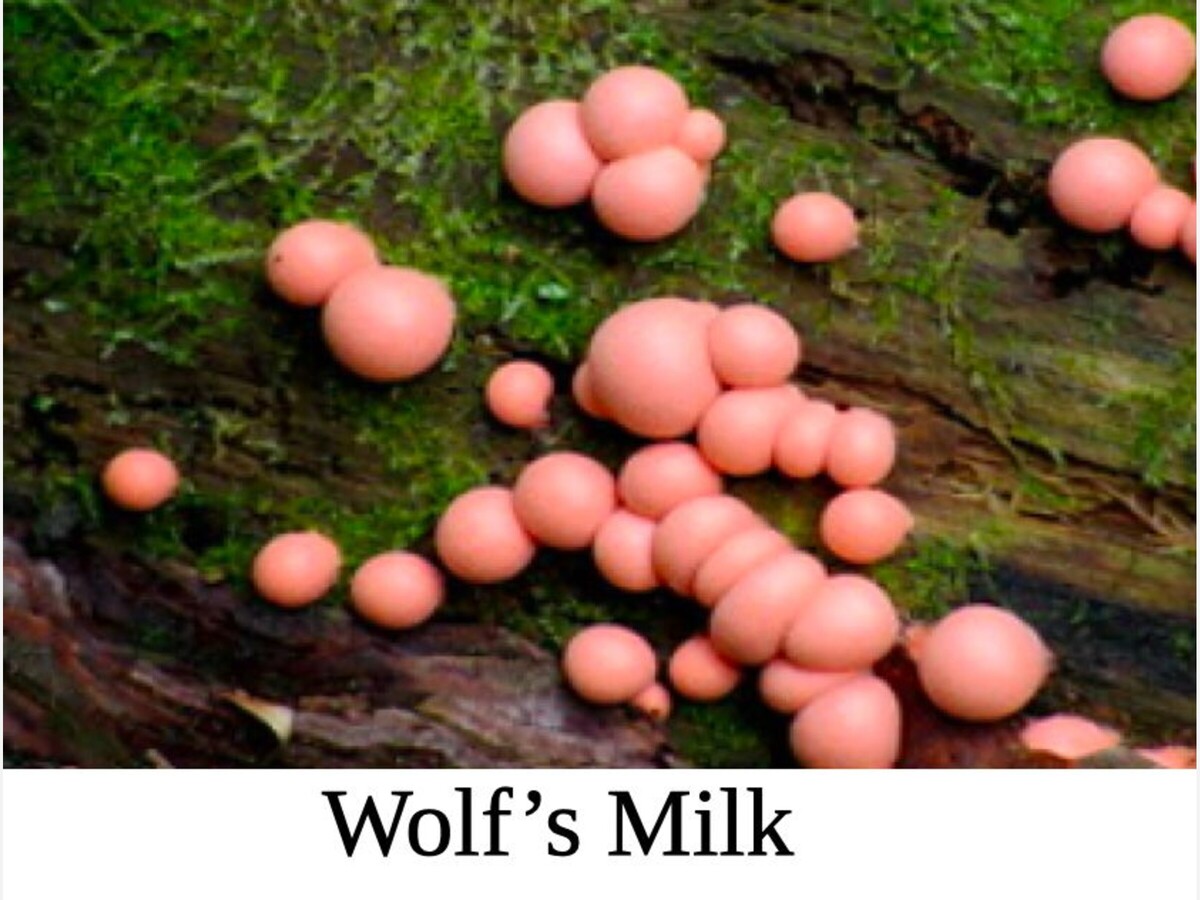
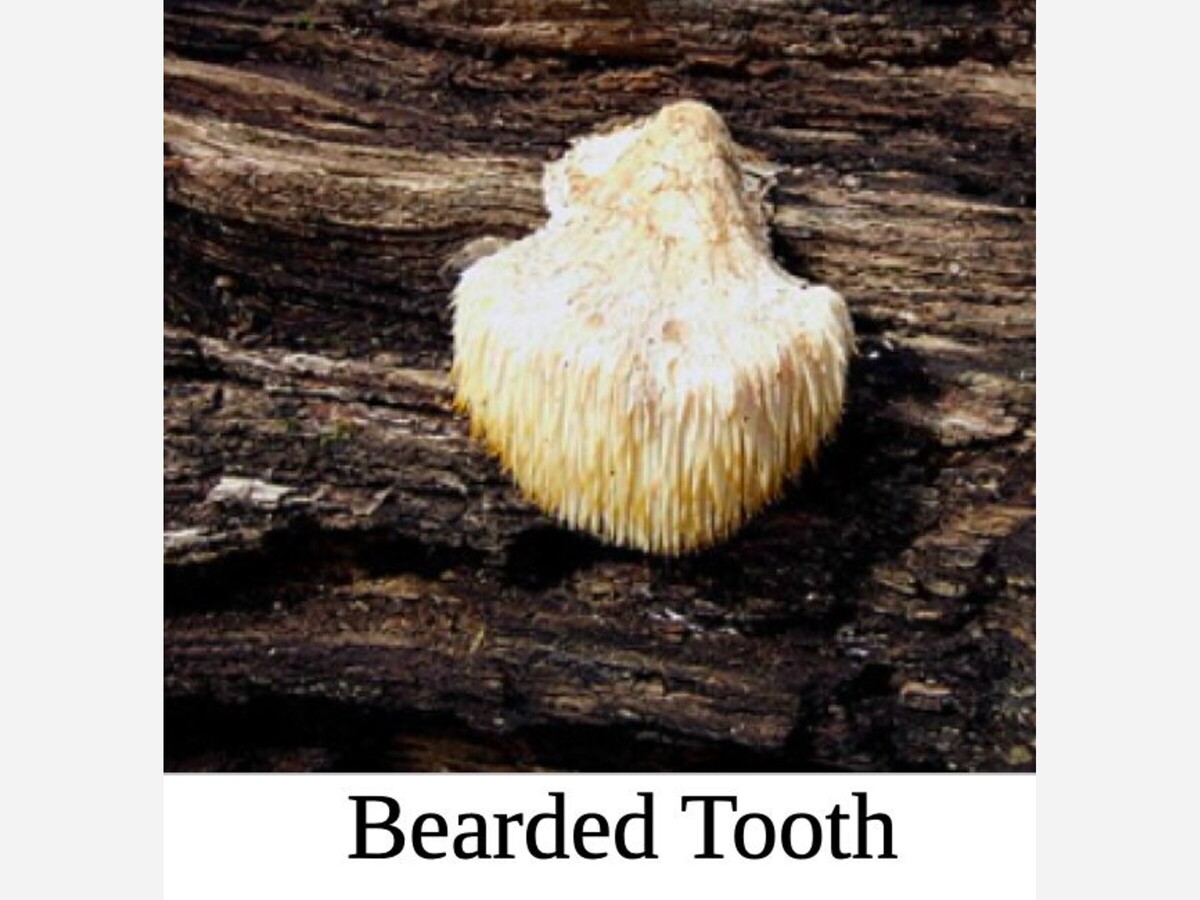
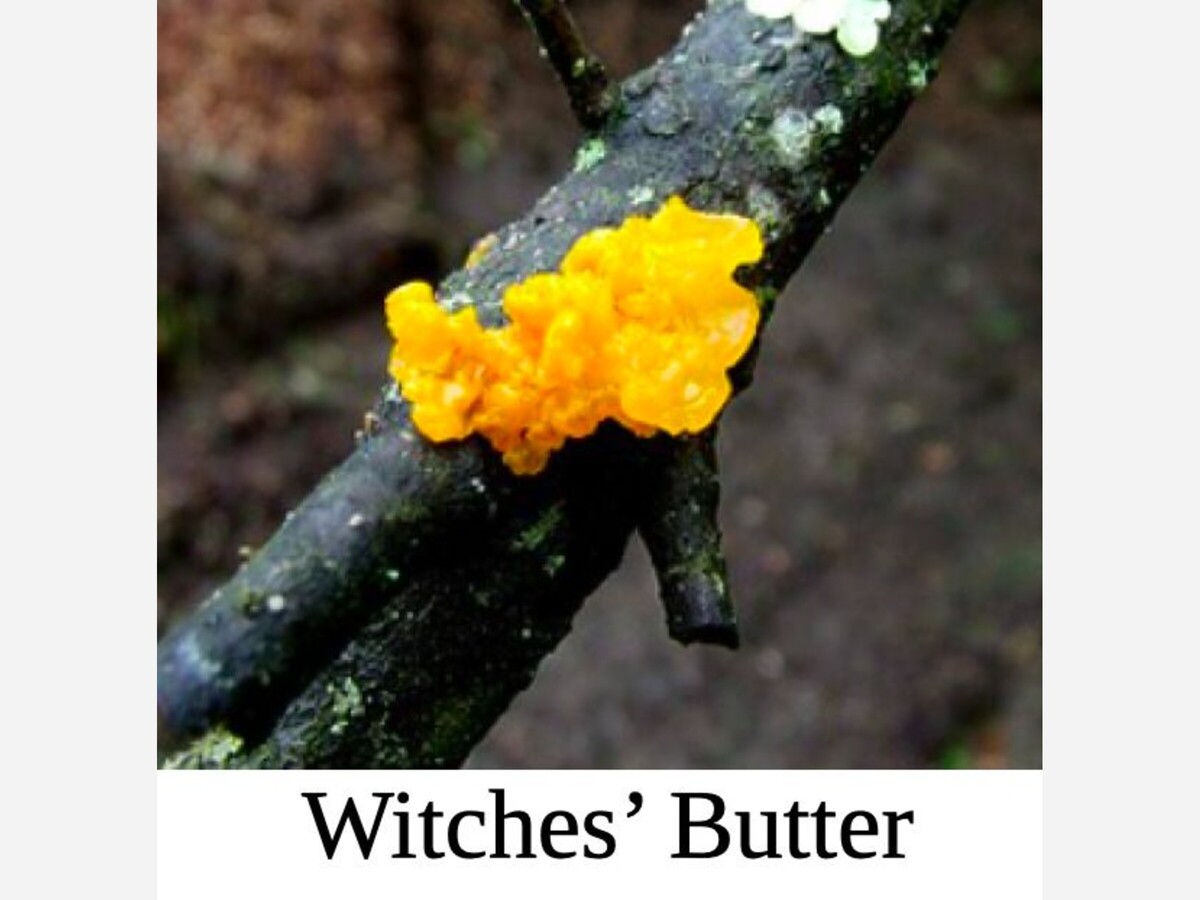
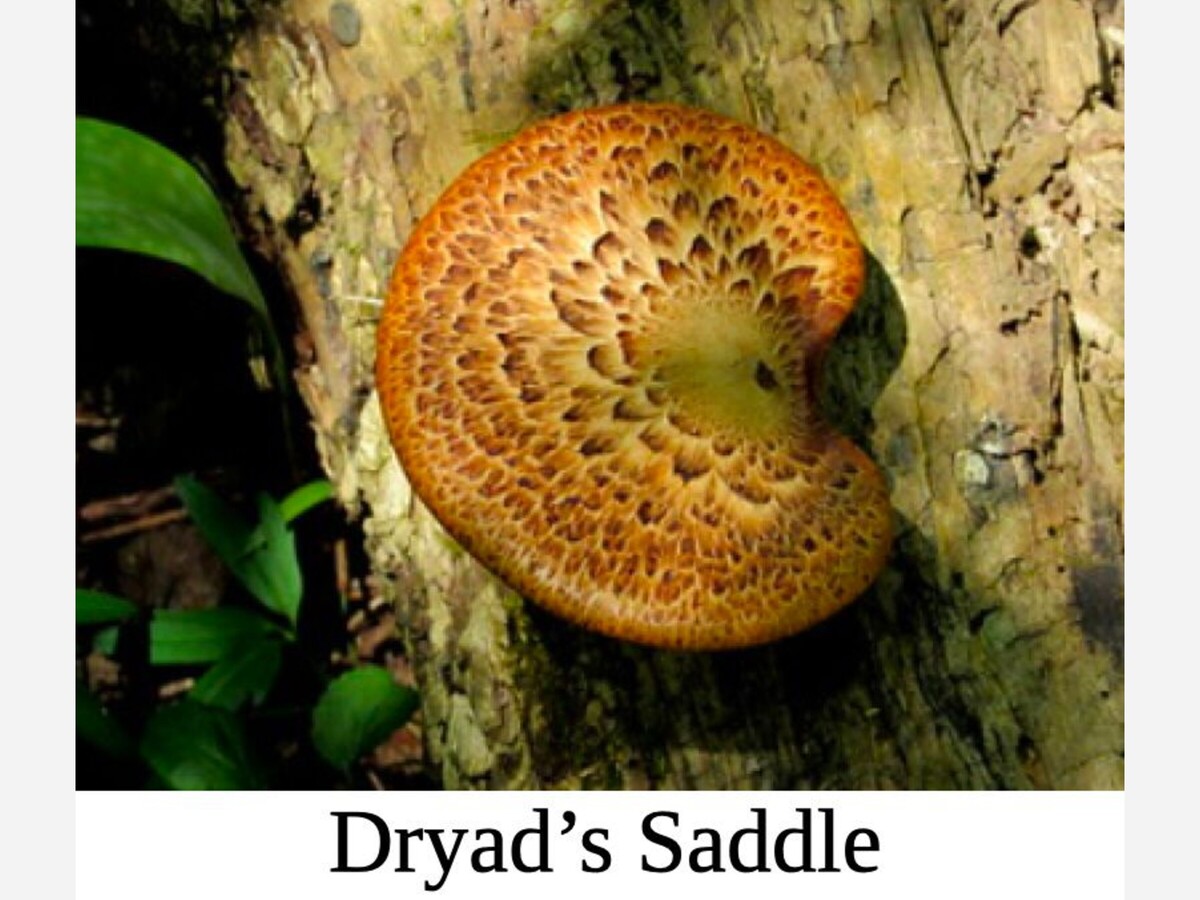
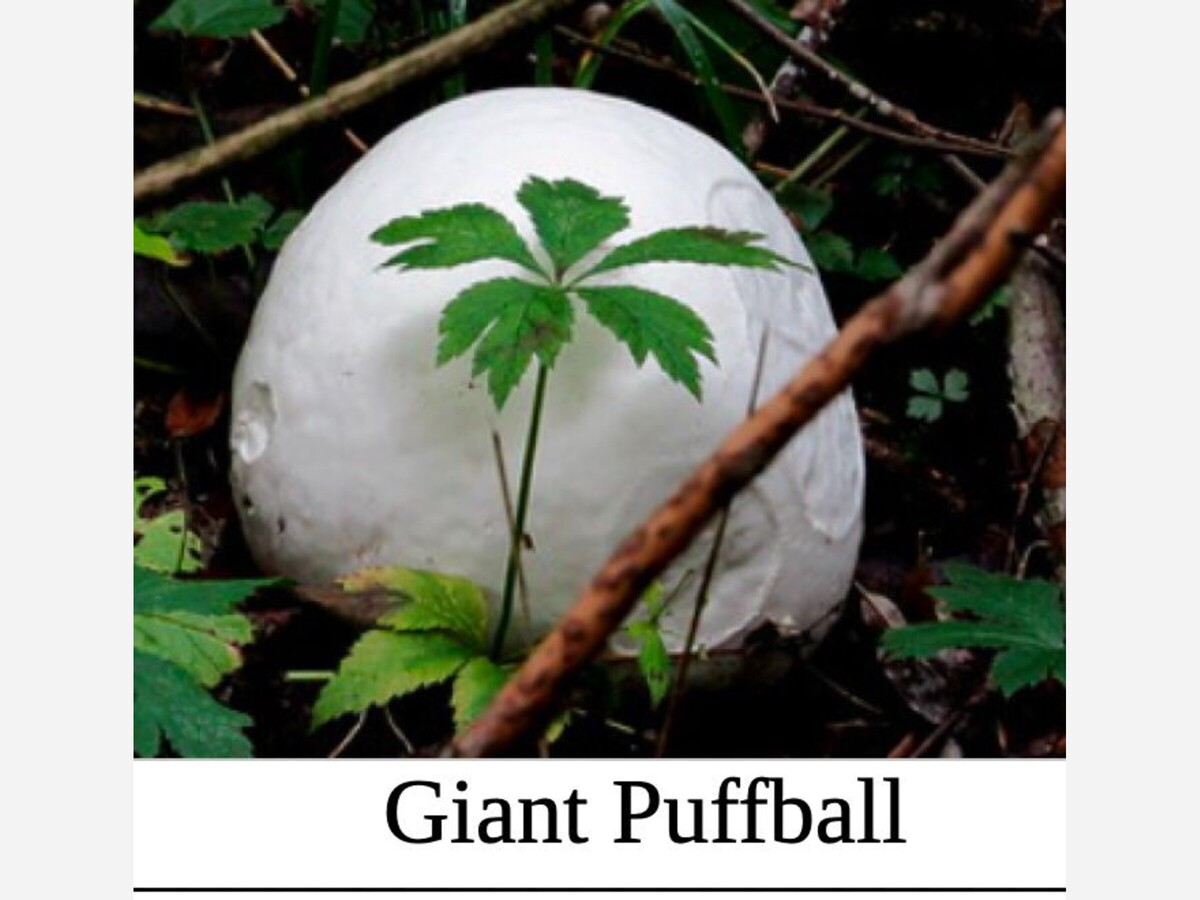
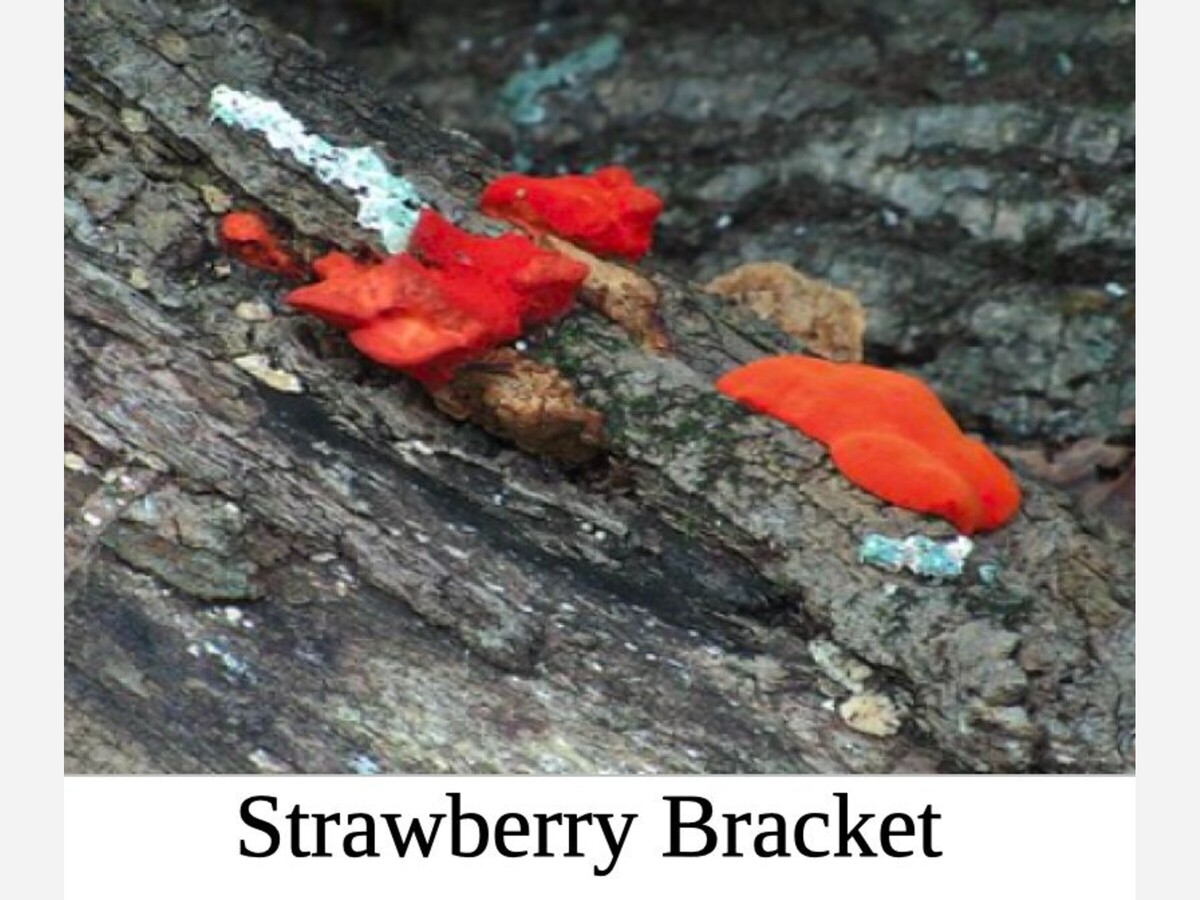
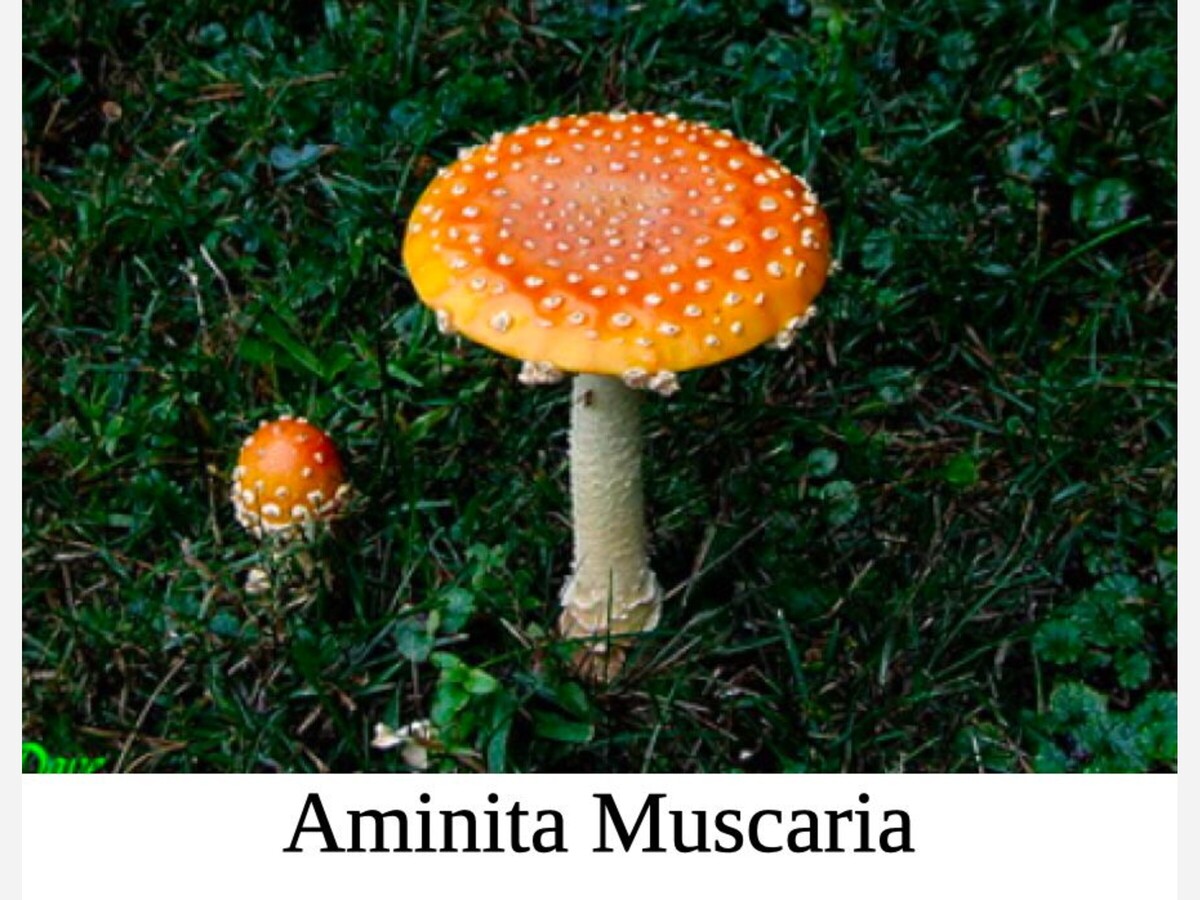
A surprising array of fungi are appearing in response to the heat, humidity, and ample recent rainfall. These are their favorite conditions. Among Ohio’s fungi are more than 2000 species of mushrooms, jellies, cups, slimes, puffballs and more — coming in a wide variety of shapes, sizes, and colors.
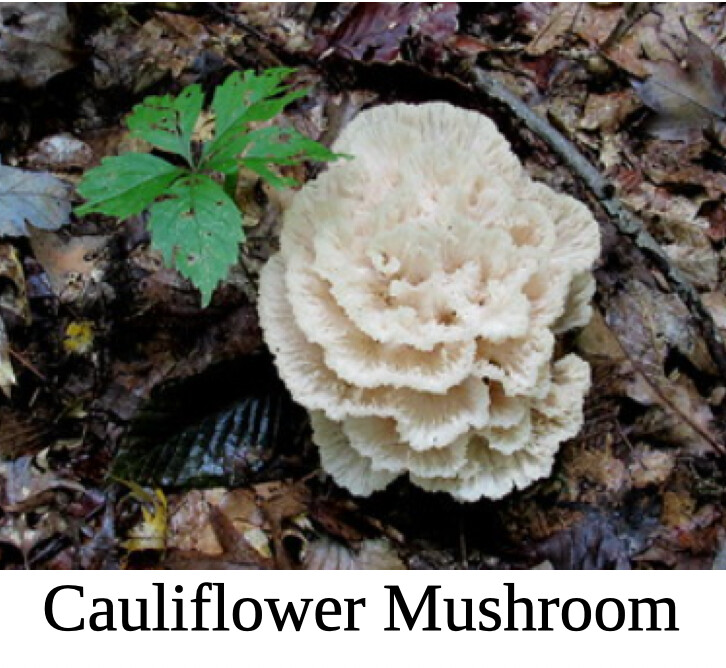
Many are quite attractive.
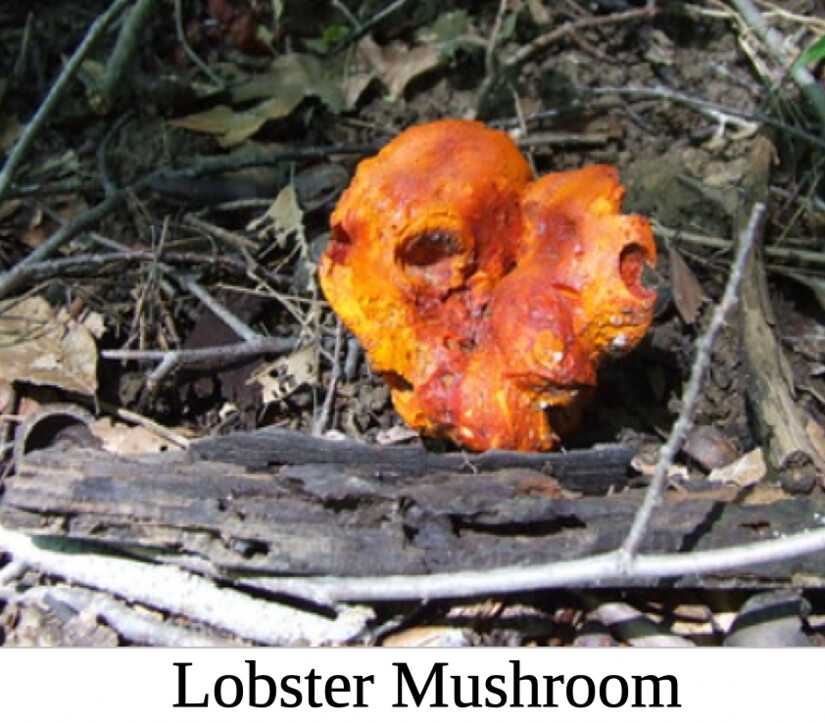
Others are downright ugly....
Some are edible delicacies while others are toxic. I’m not going to suggest any of them for you to bring home for your dinner table because I don’t want to be responsible for what might happen to your liver. Correct identification of some species can’t be absolutely guaranteed without microscopic examination of the spores.
The fungi are not members of the plant kingdom. They have no chlorophyll and do not conduct photosynthesis to manufacture their own food. Instead, they absorb their nutrients from dead or dying organic matter. In doing so, they decompose their host food source and recycle it into the soil.
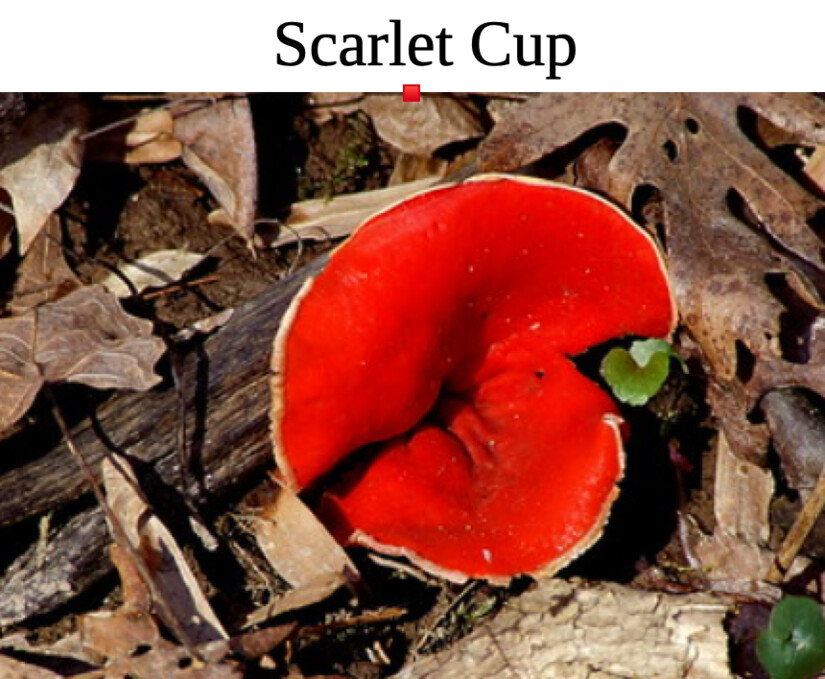
The part of the fungus that we see is merely its spore-producing structure somewhat comparable to the seed-producing flower of a plant. Spores are dispersed from the visible part of the fungus while the rest of the system works its way through the host, out of our sight, while absorbing the food it requires via a vast root-like web of minuscule fibers.
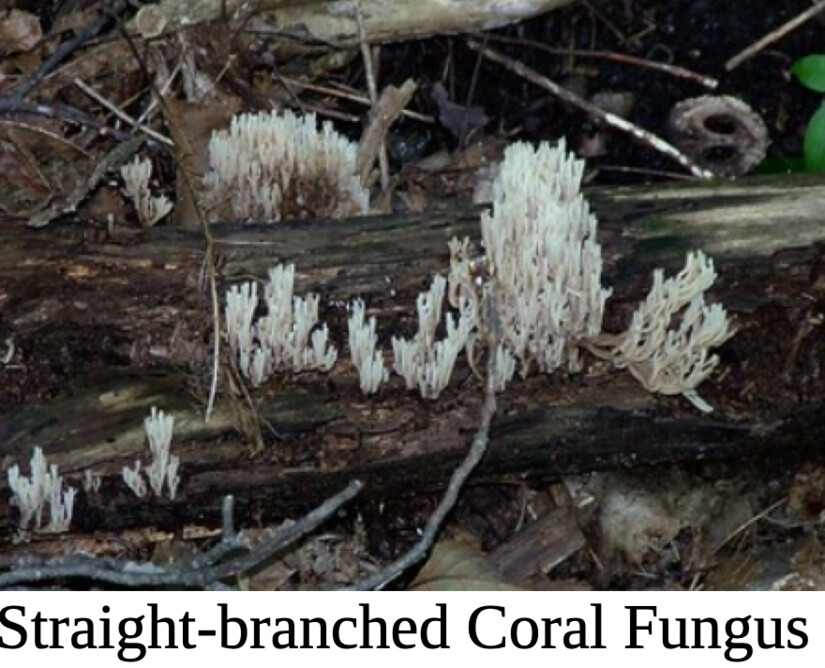
The fungi are easily overlooked parts of nature’s big picture despite the important roll they play in our ecosystems. We seldom think to seek them out as we would when it comes to birds or wildflowers for instance.
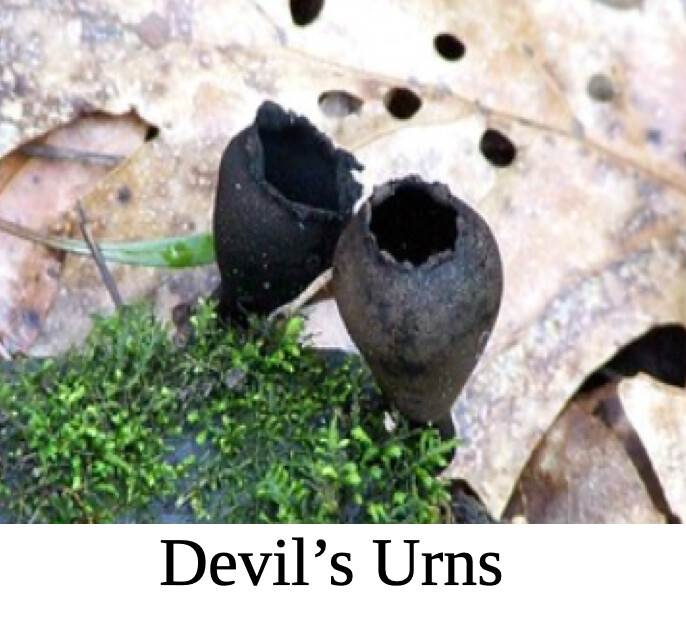
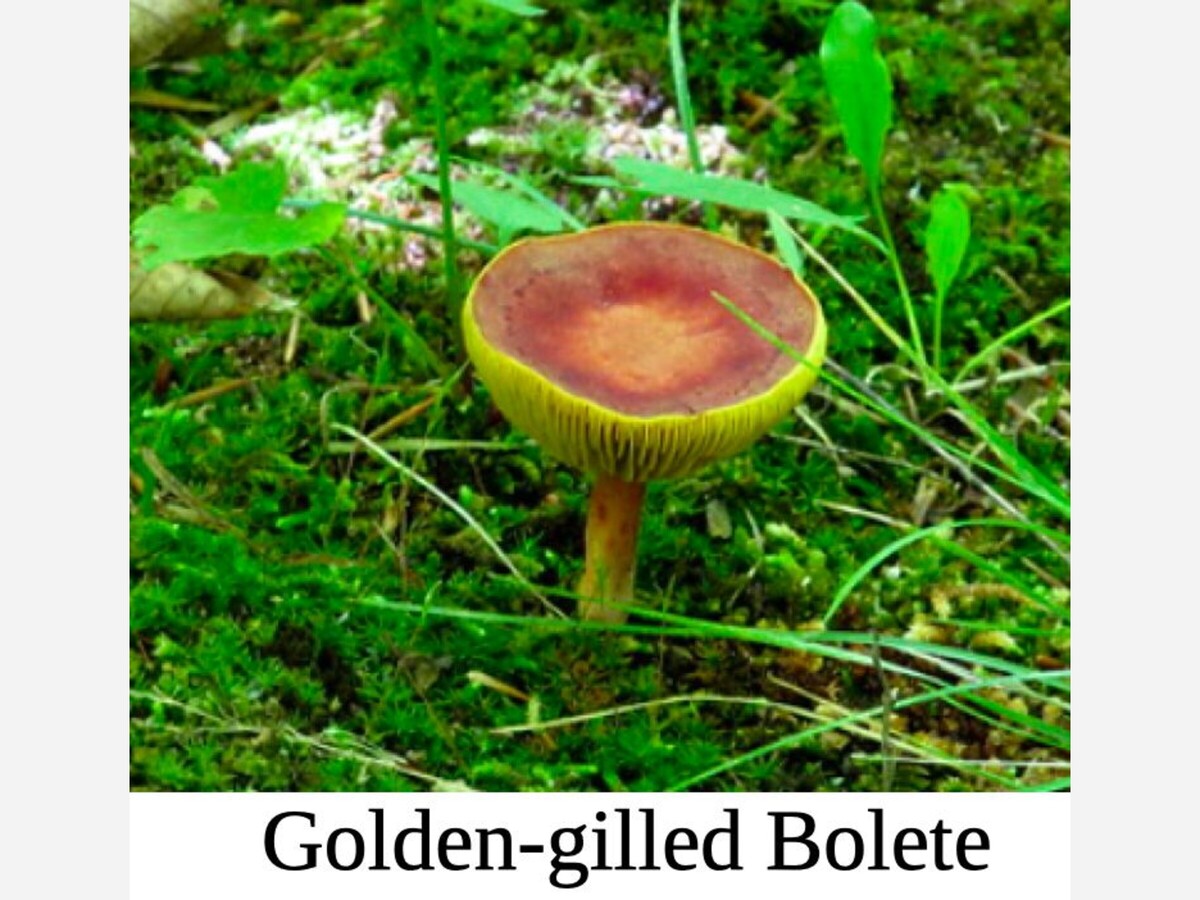
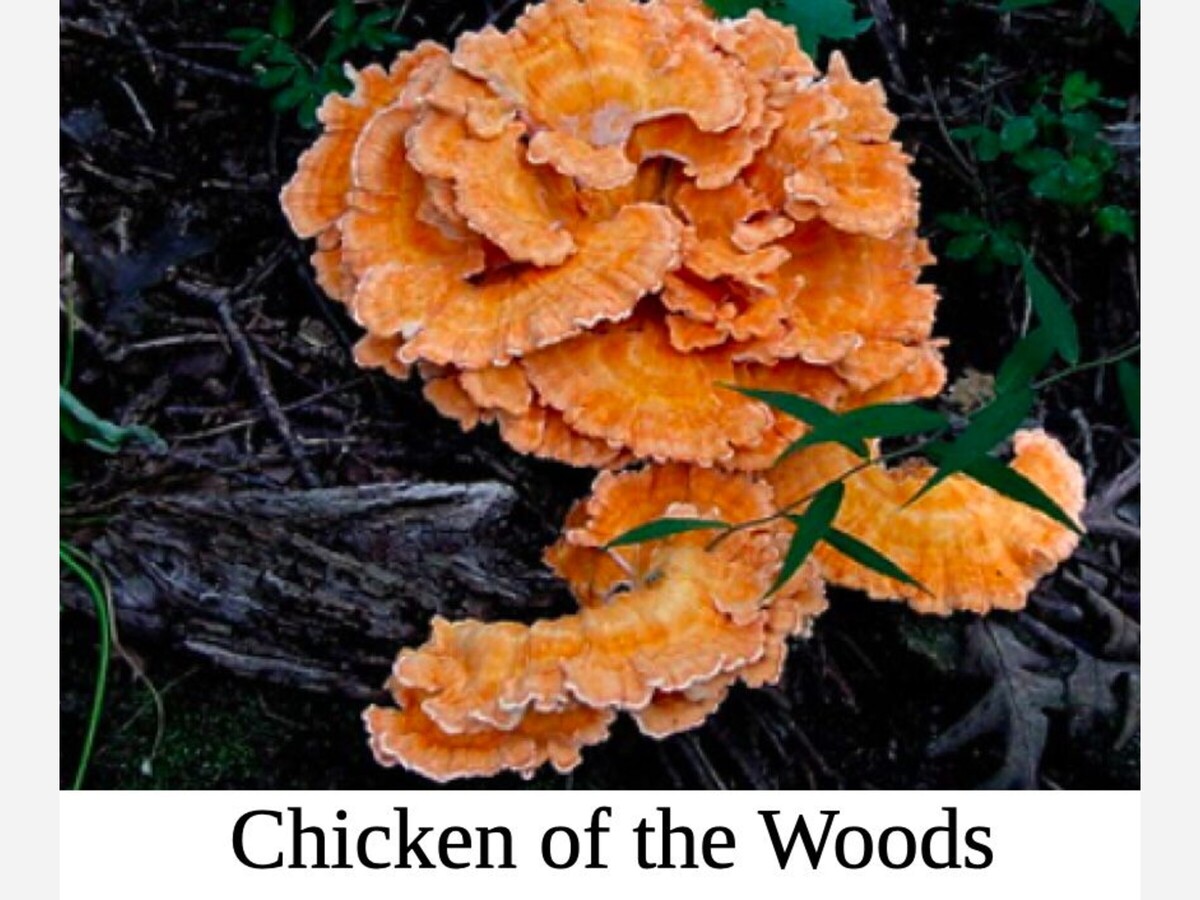
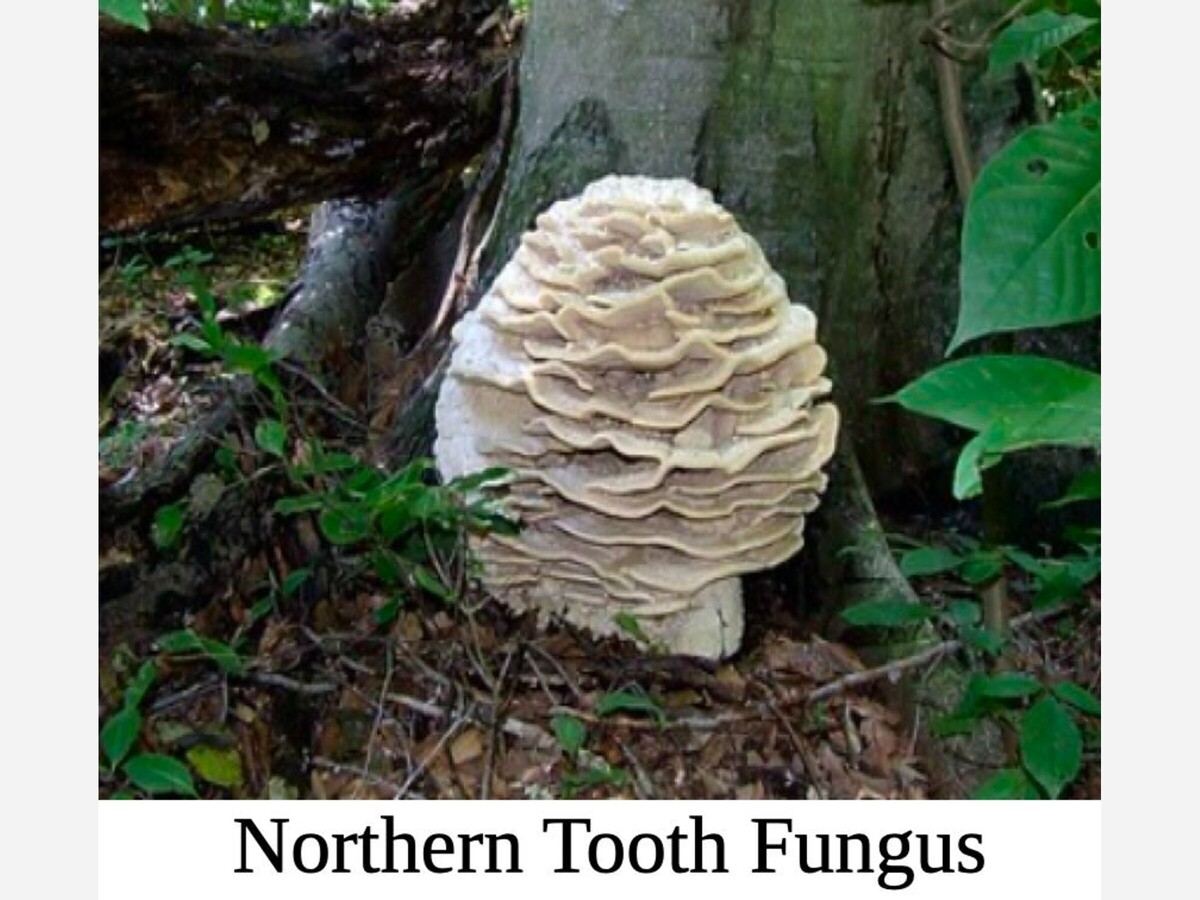
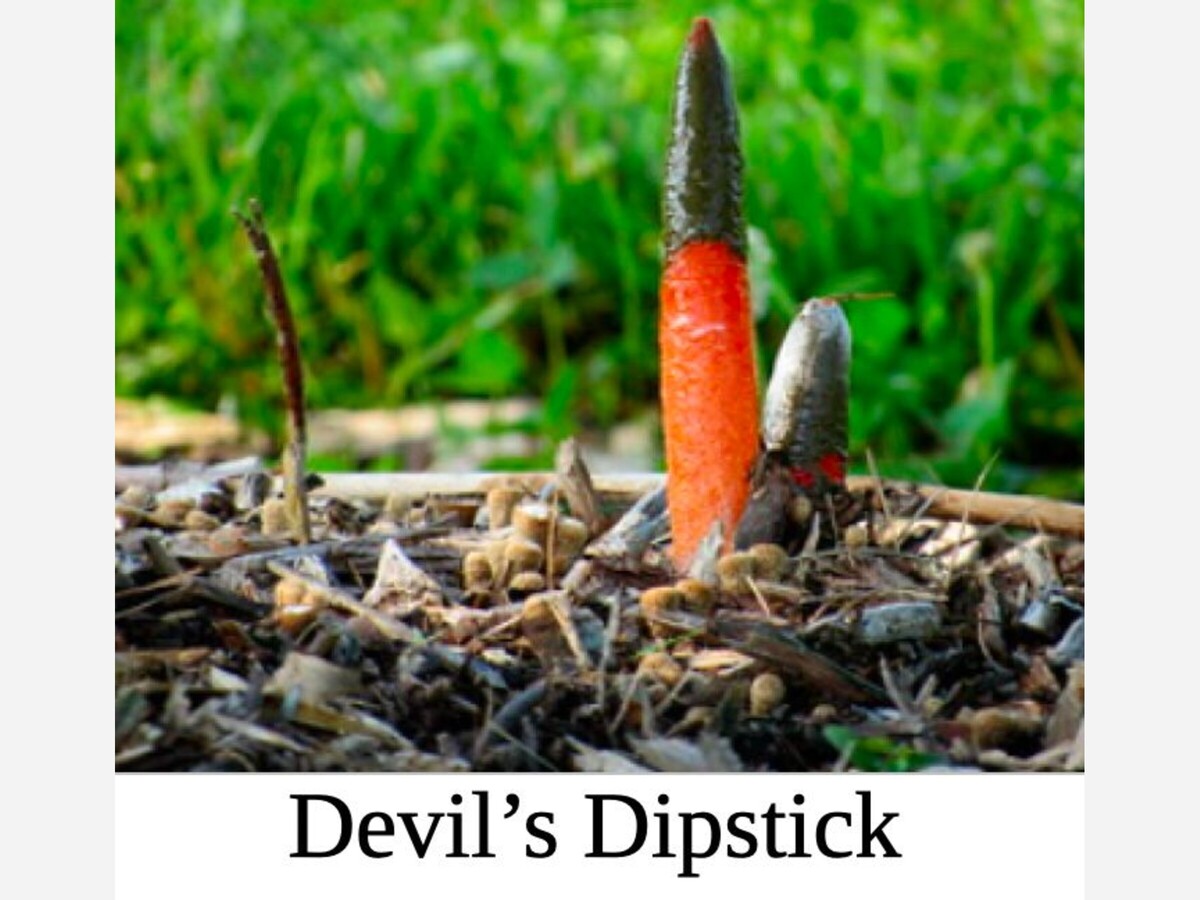
I can only provide photos of a few of them here, although I wish there was space for more. If any of these pictures spark your interest in fungi, now would be a great time of year to visit a moist, shady trail in search of some of them. You might even notice some appearing in the wood chips or mulch in your flower or vegetable gardens.

Sunny, with a high of 64 and low of 38 degrees. Sunny in the morning, clear in the afternoon and evening,