63° and Patchy rain nearby



Image
Story and photo courtesy of Turtle Creek Daughters of the American Revolution (DAR)
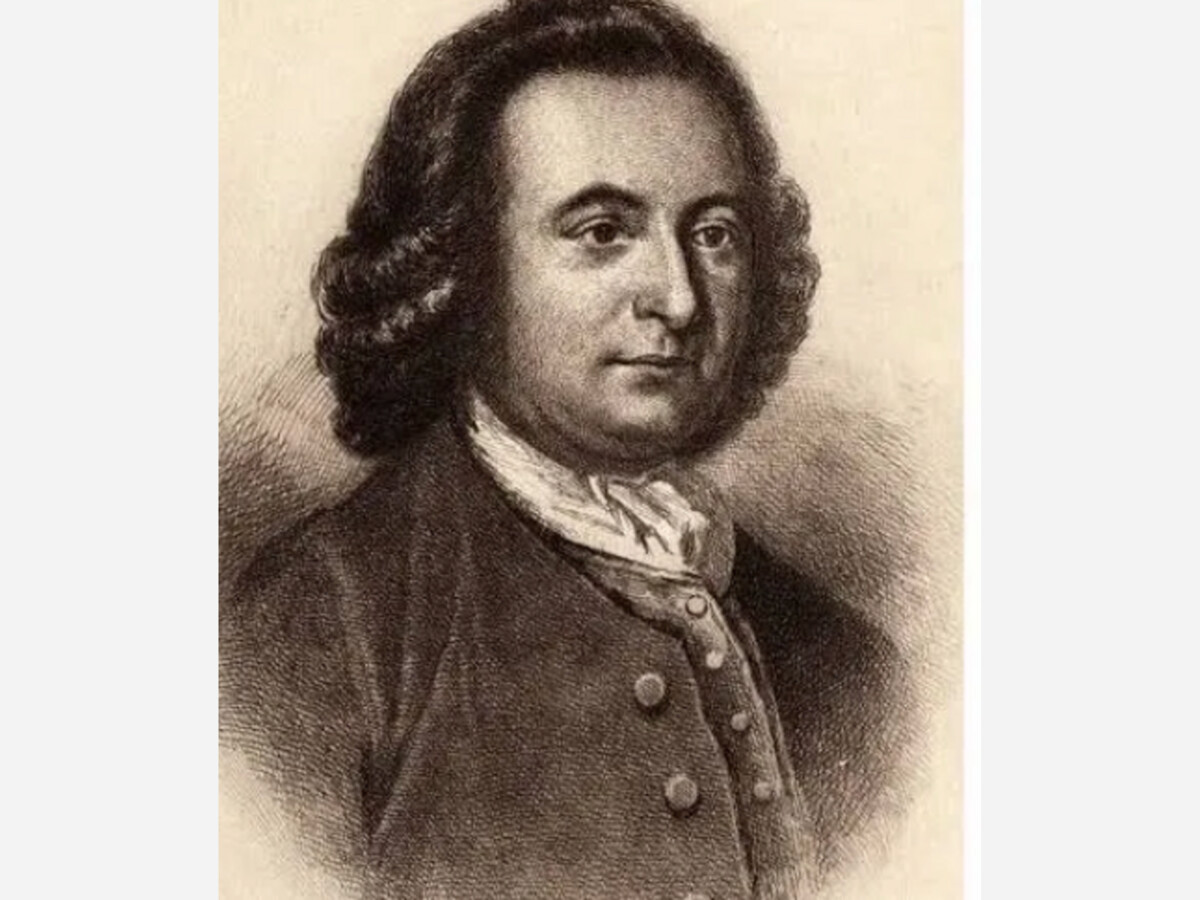
WARREN COUNTY, OH -- George Mason was an American planter, politician, Founding Father and delegate to the U.S. Constitutional Convention in Philadelphia in 1787. George Mason IV was born on December 11, 1725, in Fairfax County, Virginia. After the death of his father, his uncle John Mercer helped raise and educate him. At the age of 21, Mason assumed control of his family’s plantation, which was known as Gunston Hall. His neighbors included George Washington. The two men both invested in the Ohio Company, a land speculation company. His estate consisted of over 20,000 acres, and he owned over 100 slaves.
George Mason was one of three delegates who refused to sign the Constitution. He was an ardent advocate of individual rights during the founding of our country. He drafted the Virginia Declaration of Rights, which served as the model for the Bill of Rights more than one decade later. Mason was selected to represent Virginia at the Constitutional Convention. Although Mason played a prominent role at the Convention, he ultimately refused to sign it. Mason outlined his opposition to the Constitution in his written Objections to this Constitution of Government. Mason disagreed with the authority granted to Congress and the judiciary, along with the failure to include a bill of rights to secure individual liberties. He predicted the new national government would “produce a monarchy, or a corrupt, tyrannical aristocracy.” Mason also opposed the delegates’ decision to allow the slave trade to continue.
Mason routinely spoke out against slavery, even before America's independence. In 1773, he wrote that slavery was "that slow Poison, which is daily contaminating the Minds & Morals of our People. Every Gentlemen here is born a petty Tyrant." In 1774, he advocated ending the international slave trade.
Like nearly all large plantation owners in Virginia at the time, Mason owned many slaves. In Fairfax County, only George Washington owned more. Mason is not known to have freed any, even in his March 1773 will. That will divided his slaves among his children (between twenty and three years old when Mason wrote it). Some say that in all likelihood, Mason believed, or convinced himself, that he had no options. Mason would have done nothing that might have compromised the financial futures of his nine children. Some historians have argued that he could have freed some slaves without harming his children's future, if he had wanted to. Mason's experience with slave labor made him hate slavery but his heavy investment in slave property made it difficult for him to divest himself of a system that he despised.
Most of those at Gunston Hall, both family and slaves, fell ill during the summer of 1792, experiencing chills and fever; when those subsided, Mason caught a chest cold. When Thomas Jefferson visited Gunston Hall on October 1, 1792, he found Mason, then suffering from gout, needing a crutch to walk, though still sound in mind and memory. Additional ailments, possibly pneumonia, set in. Less than a week after Jefferson's visit, on October 7, George Mason died at Gunston Hall, and was subsequently buried on the estate, within sight of the house he had built and of the Potomac River.
Although Mason's death attracted little notice, aside from a few mentions in local newspapers, Jefferson mourned "a great loss" Another future president, Monroe, stated that Mason's "patriotic virtues through the revolution will ever be remembered by the citizens of this country.”
George Mason University was named in his honor in 1959, a decade after its founding as a branch of the University of Virginia, reflecting his deep historical ties to the Northern Virginia region where the main campus is located. The institution later separated from the University of Virginia, becoming an independent university in 1972. It has since grown into the largest public university in Virginia by student enrollment.


Overcast, with a high of 63 and low of 58 degrees. Overcast during the morning, patchy rain nearby during the afternoon, overcast for the evening, patchy rain nearby overnight.