

Image
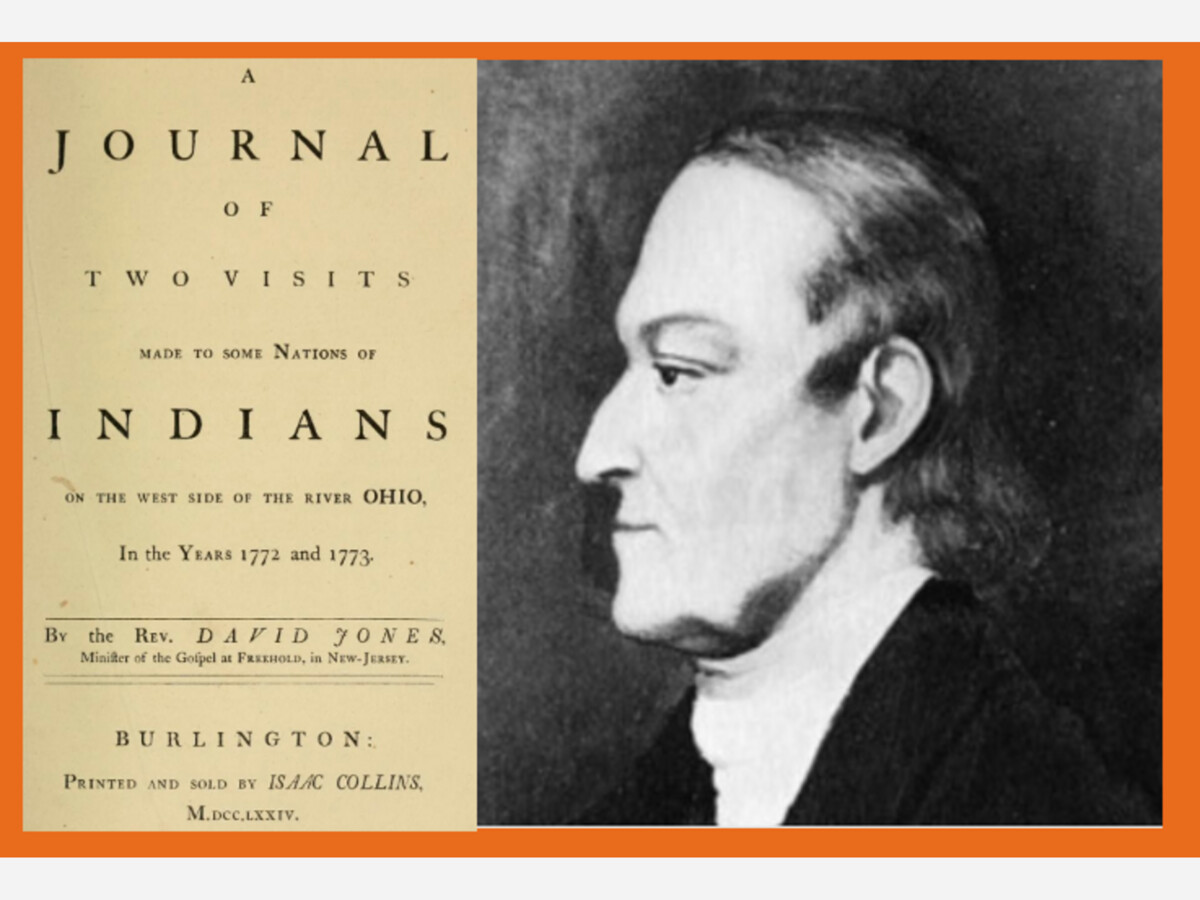
[WARREN COUNTY] -- Listen to a remarkable 18th-century document: A Journal of Two Visits Made to Some Nations of Indians on the West Side of the River Ohio in the Years 1772 and 1773. The video narration of the journal written by the Reverend David Jones, offering modern viewers a rare glimpse into life in the Ohio Valley just before the American Revolution.
Jones, a Welsh Baptist minister, traveled west of the Ohio River in 1772 and 1773 to visit Native communities including the Shawnee and Delaware. His purpose was missionary in nature, but his journal became much more than a religious record. He carefully described towns, distances between settlements, river crossings, clothing, agriculture, and political leaders. For local historians, his observations provide valuable insight into what this region looked like more than 250 years ago.
But Jones’s journey unfolded during a time of intense land speculation and political maneuvering.
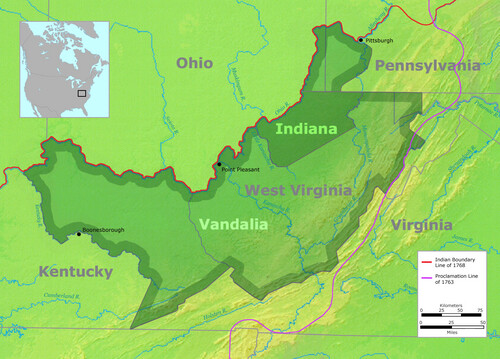
While Jones traveled as a missionary, powerful colonial investors were pursuing control of western lands. Among them were Samuel Wharton, along with the Philadelphia merchant firm of Baynton, Wharton & Morgan. These men were involved in efforts to secure vast tracts of land along the Ohio River through what became known as the Indiana Grant and the proposed colony of Vandalia.
The Indiana Grant compensated traders for frontier losses and covered millions of acres. That effort evolved into the Grand Ohio Company’s proposal for a new British colony called Vandalia, which would have included much of present-day West Virginia and surrounding territory. Although Vandalia was never formally established due to political conflict and the coming Revolution, the push to formalize western settlement intensified pressure on Native lands.
Jones’s travels occurred in the shadow of these ambitions. Even as he recorded Native towns and hospitality, the land itself was being surveyed and negotiated in distant colonial offices.
While Jones left valuable geographic descriptions, his interpretations of Shawnee life were shaped by his Baptist theology. Expecting religion to resemble Christian worship — churches, scripture, and sermons — he often concluded that the Shawnee lacked meaningful spiritual belief.
Modern scholarship shows this was not the case. Shawnee society possessed complex spiritual traditions, seasonal ceremonies, and moral frameworks. Jones’s limited language skills and brief visits likely prevented him from understanding the depth of those systems. His writings reflect the common 18th-century tendency to judge Indigenous cultures by European religious standards.
Despite centuries of displacement, the Shawnee people endure. Today there are three federally recognized Shawnee tribes:
Absentee Shawnee Tribe of Indians of Oklahoma
Eastern Shawnee Tribe of Oklahoma
These nations maintain cultural traditions, language revitalization efforts, and sovereign governance. Their continued presence reminds us that the story Jones recorded was not the end of Shawnee history, but only a chapter.
The YouTube video makes this primary source journal, accessible to anyone interested in frontier history. It offers not only a portrait of the Ohio Valley before the Revolution, but also a lesson in how perspective shapes historical record
Part 2 - Lost in the Walnut Bottom
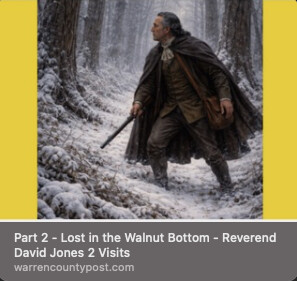 Part 2 - Lost in the Walnut Bottom


Overcast, with a high of 80 and low of 59 degrees. Overcast during the morning,