59° and Overcast



Image

January 23, 1773 – January 31, 1773 A JOURNAL OF TWO VISITS MADE TO SOME NATIONS OF INDIANS
Saturday morning, on January 23, 1773, we find the good Reverend Jones again at the house of Mr. Irwin. Not far from Chillicothe, he sets out with Irwin to visit a nearby town the Indians call Wockachaatli—“Crooked Nose’s Place.”
The journey was short, but what Jones found there was worth remarking! The town itself was new, with little ground yet cleared, yet it showed signs of strength. Here, he observed something striking: the people possessed “a large number of the best horses in the nation,” along with cattle enough to live by. In a country where many relied on the hunt, this marked a different kind of settlement—one with growing stability and means.
At the center stood Captain Alexander McKee, a man well known in the Ohio country. As a British Indian agent, he held influence among the tribes and moved easily between Native and European worlds. Jones was received with civility, and McKee “promised well,” giving reason to hope that his mission might find support.
But by evening, Jones had returned to Chillicothe, where the Sabbath brought not opportunity, but restraint, as the consensus of the Shawnee there was not to assemble - even though King Hardman had been sympathetic.
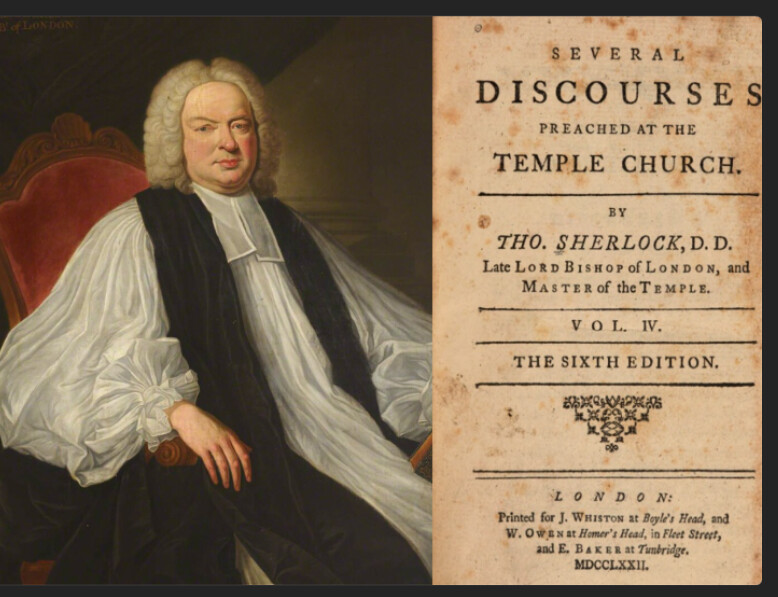
Remaining at Mr. Henry’s house, David Jones passed the Lord’s Day reading from Thomas Sherlock on revealed religion, reflecting quietly while unable to preach. Though some might have listened, no one dared gather, as no meeting in Shawnee lands could be held without permission—and none was given. Calling Sherlock’s work “a good book,” Jones agreed with its message but added that his own experience among the Indians made the argument clearer, using the moment to show that lived reality, in his view, confirmed the need for divine revelation.
During these same days, Jones was called upon in another way. Two men lay suffering from badly frozen feet after winter travel. With no proper medicine at hand, he prepared a poultice from sassafras root and cornmeal. The remedy, though painful, proved effective, and the men recovered.
By Monday, he learned that the interpreter he had hoped to employ was gone, away hunting beaver and not expected until spring. Without an interpreter, his design was nearly at a stand. Another man could assist, but would not proceed without the return of the head men, who were themselves absent.
And so the Reverend waited, making what use of the time he could, noting down words of the language and observing the people around him, and started a list of vocabulary words.
Today, one can visit the "LI-SI-WI-NWI Absentee Shawnee" lexicon page for correct pronunciation at https://www.astribe.com/lexicon.
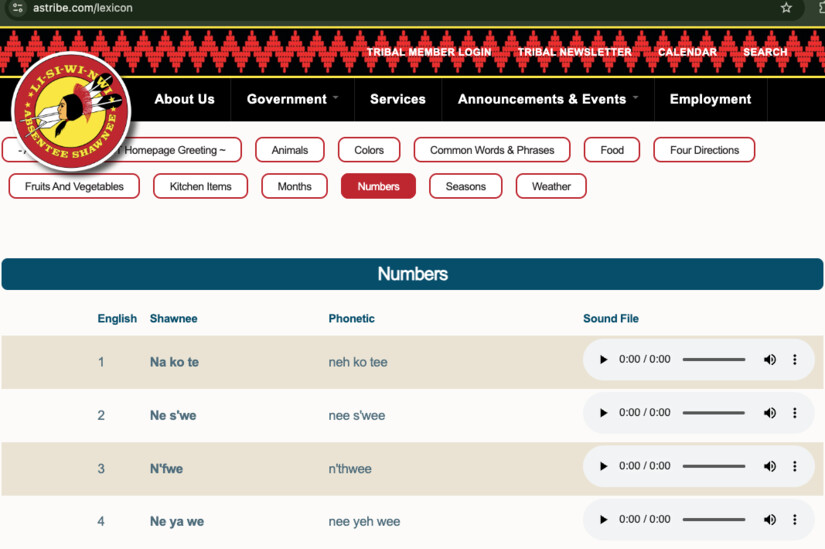 https://www.astribe.com/lexicon
On the last day of January, he would attempt to preach to the white people, and any Indians who wished might attend. Captain McKee had promised to come and interpret. But when the day came, McKee did not appear.
Uneasiness arose among the Indians, and soon suspicion followed. The thought of a gathering caused concern, and before long it was clear that no meeting would be allowed. No one dared assemble. For here, in Shawnee lands, nothing could be done without consent—and that consent was not his to command.
Previous episode

Next episode



Overcast, with a high of 80 and low of 59 degrees. Overcast for the morning,