Image

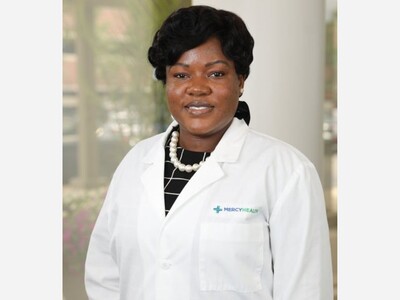
Dr. Zysek ...“It’s never too early, or too late, to start protecting your heart."



Story and photo courtesy of Mercy Health
KINGS MILLS, OH -- In recognition of May as Women’s Health Month, Mercy Health is encouraging women to look beyond the common symptoms of menopause and focus on a lesser-known but critical risk: heart disease.
While hot flashes and mood changes are widely recognized signs of menopause, the hormonal changes that occur during this transition can significantly impact cardiovascular health. As estrogen levels decline, women face increased risks related to blood pressure, cholesterol levels, and body fat distribution, all key factors in heart disease.
“Menopause is a pivotal time for women to reassess their overall health, especially their cardiovascular risk,” said Victoria Zysek, DO, cardiologist with Mercy Health in Cincinnati. “We often see changes in blood pressure, cholesterol, and metabolism that can elevate a woman’s risk for heart disease. The good news is that with awareness and proactive care, many of these risks can be managed or reduced.”
Heart disease remains the leading cause of death among women in the United States, yet many women underestimate their risk. The hormonal shifts during menopause can lead to stiffening of blood vessels, increases in “bad” LDL cholesterol, decreases in “good” HDL cholesterol, and greater accumulation of abdominal fat, all of which contribute to cardiovascular disease.
Menopause also presents an opportunity for women to take charge of their heart health. Key steps include:
“It’s never too early, or too late, to start protecting your heart,” Dr. Zysek added. “Even small lifestyle changes during menopause can have a lasting impact on long-term health outcomes.”
Women are also urged to be aware of symptoms that may signal heart issues, including chest discomfort, shortness of breath, fatigue, dizziness, or irregular heart rhythms, and to seek medical care promptly if they occur. Women often describe cardiac symptoms differently from men. They may experience subtle chest pressure, fatigue, shortness of breath, indigestion-like discomfort, or neck and jaw pain. “Because symptoms can appear less obviously cardiac, women need to advocate for themselves,” Dr. Zysek explains. “If something feels off, speak up. Early evaluation can be lifesaving.”
For more information on women’s health and cardiovascular services, including Mercy Health’s specialized Women’s Heart Health Clinic, or to schedule an appointment with Dr. Zysek or another provider, visit mercy.com or contact your Mercy Health primary care provider.



Sunny, with a high of 65 and low of 39 degrees. Sunny in the morning, clear for the afternoon and evening,