54° and Clear
Image
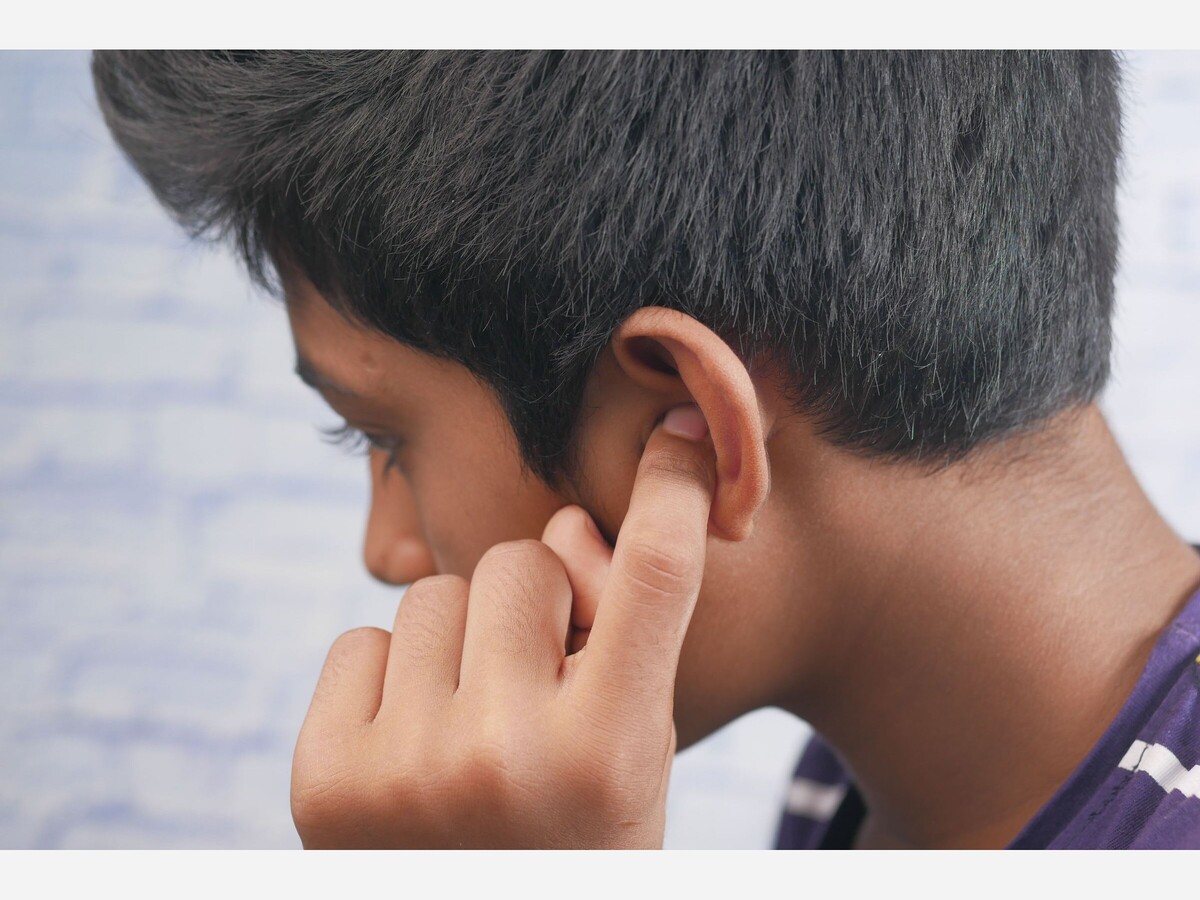
Photo via Pexels.com



Story courtesy of Mercy Health
LEBANON, OH -- With summer activities in full swing, Mercy Health is helping folks stay healthy by sharing safe, effective ways to remove water from the ears and avoid infections that can sideline seasonal fun. Water trapped in the ear is a common nuisance after swimming, showering, or washing hair. While often harmless, it can lead to irritation or swimmer’s ear, an infection of the outer ear canal, if not addressed properly.
“Most cases of trapped water in the ear can be managed safely at home with simple techniques,” said Joseph Kershner, DO, Mercy Health—Lebanon Primary Care. “The key is to avoid anything that could push water deeper or damage the ear, while allowing the body to naturally drain and dry the canal.”
Mercy Health recommends the following approaches:
Improper techniques can make the problem worse or cause injury. Mercy Health advises:
To reduce the risk of water getting trapped:
Water in the ear typically resolves within hours. However, medical care may be needed if symptoms persist or worsen. “If water remains in the ear for more than a day or is accompanied by pain, hearing changes, or itching, it’s important to seek care,” Dr. Kershner said. “These may be early signs of an infection that requires treatment.”
Mercy Health offers primary care, urgent care, and walk-in services for ear-related concerns and other summer health needs. For more information or to schedule an appointment, visit Mercy.com.



Sunny, with a high of 78 and low of 52 degrees. Sunny in the morning, overcast during the afternoon and evening, clear overnight.