64° and Clear
Image
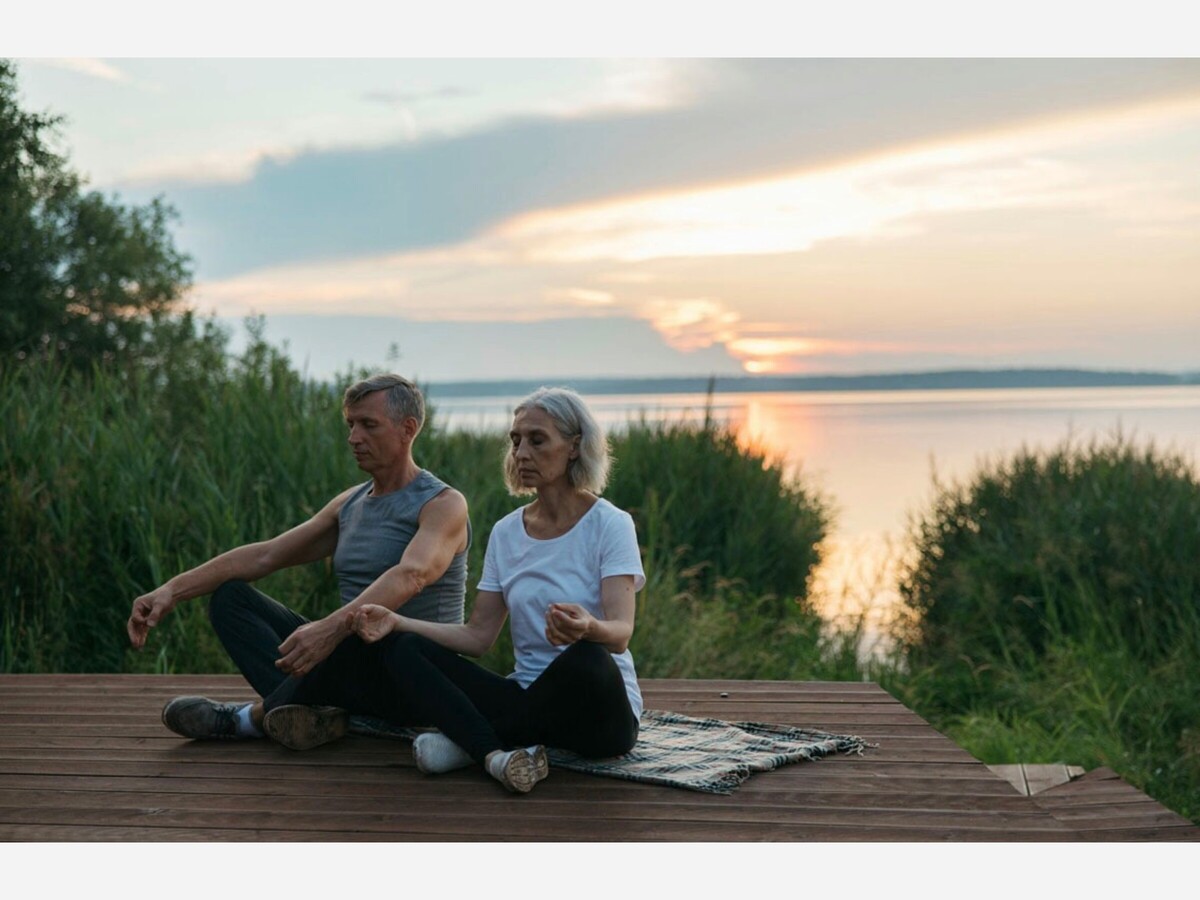
Image via Pexels



Contributed by Andrea Needham | eldersday.org
For many parents, the moment the last child leaves home marks a profound shift. The entity known as you, once deeply intertwined with the rhythms of family life, now stands free from the day-to-day responsibilities of raising children. This is a phase filled with both challenge and opportunity as you transition into a new identity, one that balances activity and rest, purpose and peace.
TL;DR
The Emotional Pivot: From Parent-Busy to Self-Driven
When children move out, many empty nesters encounter a sense of emptiness, sometimes called “empty nest syndrome.” Instead of letting these experiences derail you, it’s an opportunity to rediscover identity beyond the parenting role. Think of it as:
Fresh Activities to Explore
Here’s a bulleted list of ideas you might try:
Practical Life Shift: Digitize & Declutter
Now is also the time to streamline your physical and digital load. Scanning important papers and saving them as PDFs frees you from filing chaos, and using a PDF-merging utility ensures everything lives in one easily searchable file. If you’re ready to smooth this process, consider how you can use this tool for merging PDF documents into a unified archive. As you free up space in your home and your schedule, the calm you gain can be as meaningful as the new activity you pick up.
How-To Checklist for Fulfillment & Balance
Navigating Financial & Business Possibilities
With less day-to-day family logistics, some empty nesters explore new ventures—whether consultancy, part-time business, or passion project. If starting your own small business is appealing, you’ll still want to handle core paperwork, compliance, web presence and finances. An all-in-one platform can help with LLC formation, website creation and financial tracking—think about using ZenBusiness for that broader structure. This ensures your leap into entrepreneurship is anchored in solid foundations.
Activity vs. Rest
|
Dimension |
What It Was (Kid-centric) |
What It Can Be (Empty-nester) |
|
Daily Schedule |
Shaped by school, sports, car-pools |
Shaped by your interests, energy, mood |
|
Household Purpose |
Keeping children busy & safe |
Creating peace, growth, new routines |
|
Relationship Dynamic |
Parent-child focus |
Partner-partner / self-relationship focus |
|
Time for Leisure |
Often squeezed in |
Can be intentional and prioritized |
|
Financial Outlook |
Heavy on education, gear, logistics |
More flexibility, possibly new income |
FAQ – Frequently Asked Questions
Q1: Will I always feel sad when the nest is empty?
A1: No — initial feelings of loss are normal, but research shows many empty nesters eventually feel more connected, healthier and energized.
Q2: How do I keep a strong relationship with my adult children without losing my own identity?
A2: Schedule regular catch-ups, respect their independence, and maintain your own interests so you don’t define yourself solely through their lives.
Q3: Do I have to downsize or move to feel fulfilled?
A3: Not necessarily. Downsizing or remodeling can help, but the core is the mindset shift — you can thrive where you are with little adjustments.
Q4: How do I balance staying busy and allowing time for rest?
A4: Create a rhythm: assign scheduled “go-do” times and “just be” times. Both are valid, both matter.
Featured Product Spotlight
If you’re exploring wellness tools for this new phase, one product stands out: the Aura Digital Frame. This smart photo-display allows you to rotate meaningful family memories with ease, fostering connection even when adult children live far away. It’s especially useful as you redefine home comfort and visual environment.
New empty nesters face a transition that can feel heavy — but it also offers a rare chance: the freedom to build a life by choice rather than by obligation. Embrace the fullness of this phase by balancing meaningful activity with quiet rest, recollecting who you are beyond parenthood, and designing a rhythm that supports you instead of simply running you. Your next chapter can be one of joy, renewal, and intentional living.



Patchy rain nearby, with a high of 81 and low of 64 degrees. Sunny for the morning, patchy rain nearby during the afternoon and evening, clear overnight.