59° and Overcast



Image
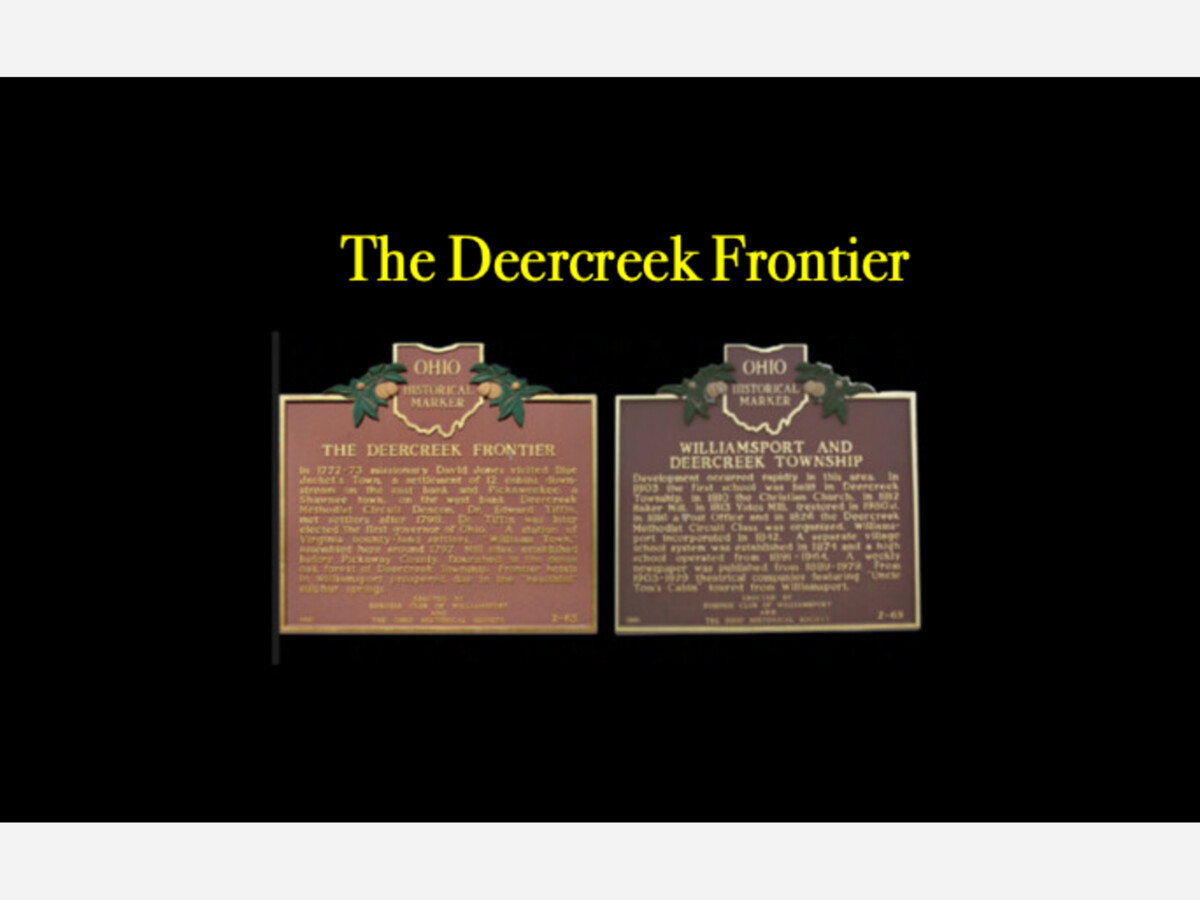
January 8, 1773 - January 12, 1773 A JOURNAL OF TWO VISITS MADE TO SOME NATIONS OF INDIANS
In January 1773, Reverend David Jones travelled through a snow-covered Scioto River Valley homeland of the Shawnee. On January 11, Jones secured a horse and left the river behind, riding roughly fourteen miles north to Paint Creek. The next day, January 12, he continued overland with a Shawnee guide named Cutteway. Communication between them was limited to gestures; Jones knew almost no Shawnee, and Cutteway little English.
That afternoon Jones reached Pickaweeke on Deer Creek, where met with John Irwin. Jones described Deer Creek (Alamoneetheepeeca) as clear and beautiful, the surrounding land open and fertile. It was winter when he arrived, snow covering the prairie north of the Pickaway Plains. The settlements he encountered were stable and deliberate, part of a broader political landscape stretching south toward Old Chillicothe.
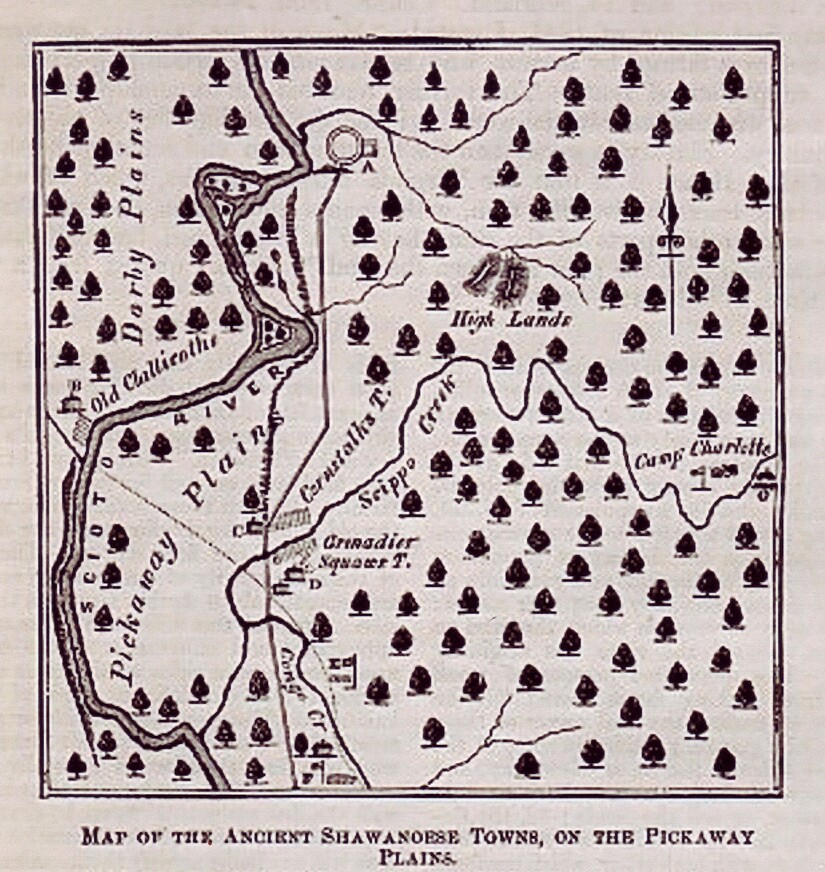 Pickaway Plains
Irwin, a trader with established ties in the settlement cluster, invited Jones three miles west-northwest to his own residence at Blue Jacket’s Town — a village of about twelve cabins. These were not scattered huts in wilderness, but organized communities tied together by kinship, diplomacy, and shared defense. Jones was not wandering through emptiness, but through a living Shawnee homeland. Within a year, the region would be pulled into the violence of Dunmore’s War. But in January 1773, Deer Creek remained a center of civil authority and negotiation.
Previous episode
 Part 2 - Lost in the Walnut Bottom
Next Episode
 Part 4 - Chocolate and Beaver Tails - Breakfast with the King


Overcast, with a high of 80 and low of 59 degrees. Overcast during the morning,