

Image
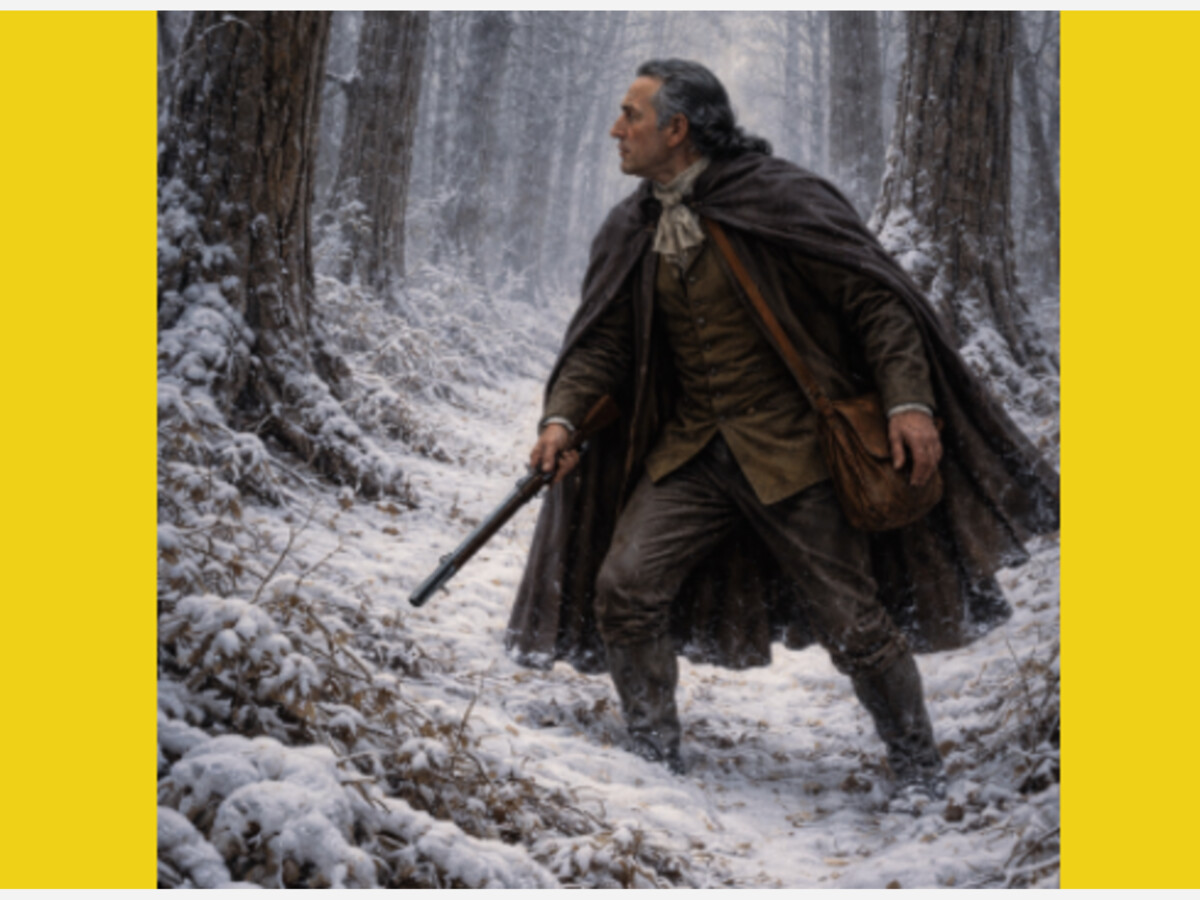
AI image of the Reverend lost in among the walnut trees
 Scioto Historical
December 31, 1772 - January 7, 1773 A JOURNAL OF TWO VISITS MADE TO SOME NATIONS OF INDIANS
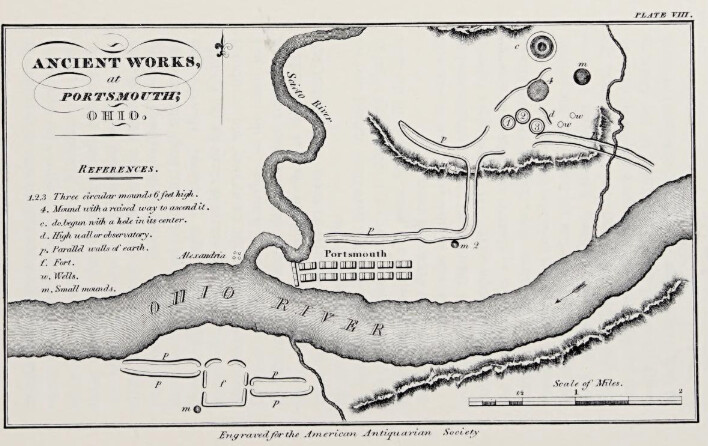
Encamped on the east side of this river (Scioto), at a place called Red Bank… near the mouth… where in floods the waters of this river (Scioto) and Ohio unite.”
Lost in the Walnut Bottom
A Frontier Preacher’s Perilous Week, Winter 1773
While most colonists welcomed the New Year of 1773 beside warm hearths, a Pennsylvania Baptist minister was pushing west along the icy bends of the Ohio River. Reverend David Jones had set out on December 31, determined to visit Indian towns beyond the settlements — but the wilderness had plans of its own.
In a matter of days, Jones traveled past the mouths of the Great Guyandotte (Huntington, WV) and Big Sandy (South Point, Ohio) rivers, studying the land like a careful observer of both Providence and possibility. He noted fertile soil, high riverbanks safe from floods, salt springs, and even coal seams — signs of a country that would one day draw settlers in great numbers. But rain soon turned the journey miserable. Camps were soaked. Hunting parties returned empty-handed. The river swelled.
By January 4, 1773, Jones left the Ohio and entered the Scioto River, where Shawnee towns once stood near its mouth. He camped at a place called Red Bank — one of the few spots high enough to avoid the meeting floods of two great rivers.
Then came the mistake.
As the canoe was poled upstream, the minister chose to walk the riverbank in search of game. A bend in the river went unnoticed. The forest closed in. By the time he realized his error, he was alone on what he later called the largest walnut bottom he had ever seen — and night was falling.
With little ammunition and no provisions, he climbed a hill, trying to find the river. He whistled. He called. No answer.
Then, through the dark timber, a gunshot echoed.
What followed was a desperate race guided only by sound — one man in the winter woods, firing and listening, hoping he was moving in the right direction.
Previous episode -
 Part 1 Frontier Journal
Next episode -
 Part 3 - Deercreek Frontier



Overcast, with a high of 80 and low of 59 degrees. Overcast in the morning,