66° and Patchy rain nearby



Image
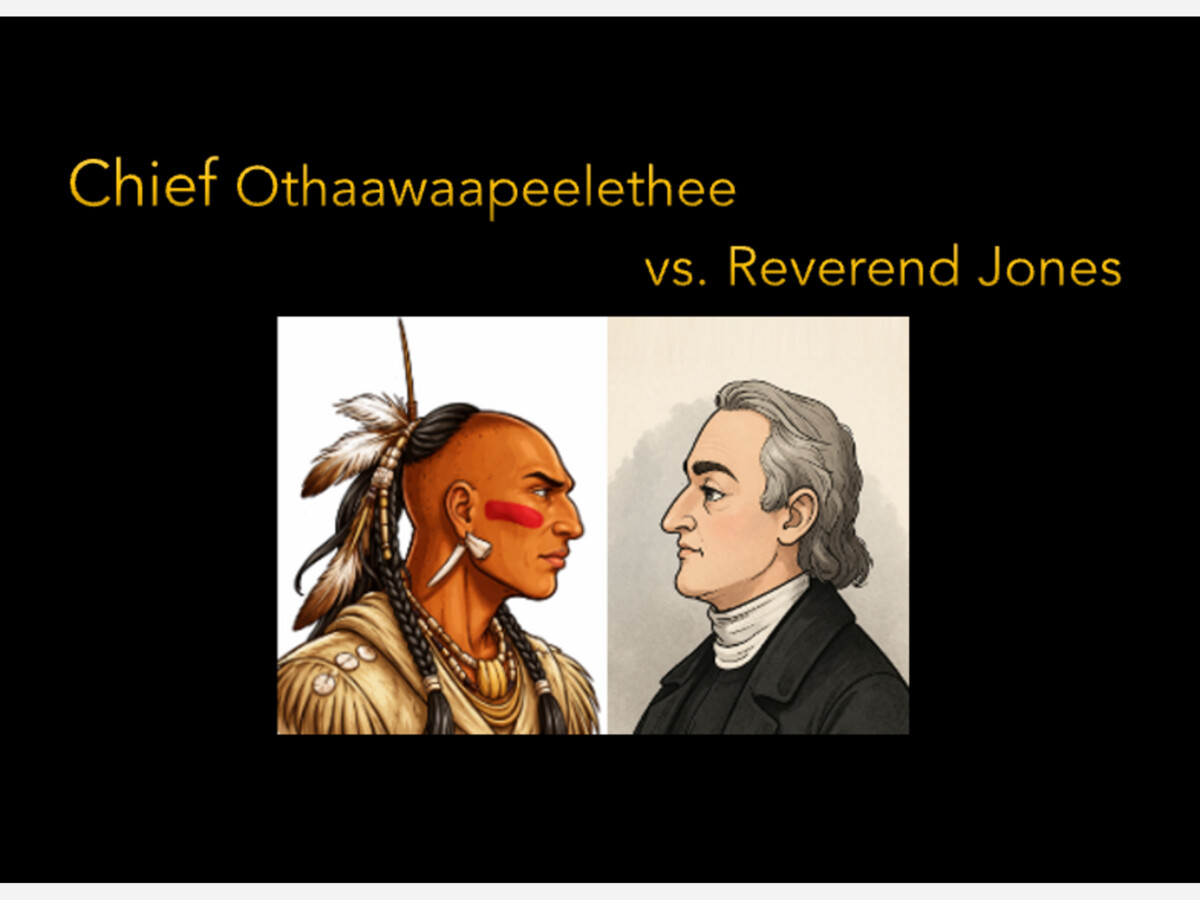
February 1, 1773 – February 5, 1773 A JOURNAL OF TWO VISITS MADE TO SOME NATIONS OF INDIANS
In early February of 1773, David Jones was in the Shawnee town of Chillicothe, where a single conversation would quietly determine the course of his visit.
On February first, an Indian lately returned—Hokima Othaawaapeelethee (Yellow Hawk)—came with several others to the house of Moses Henry to speak with him. With them stood John Gibson, serving as interpreter. After the usual formalities, Hokima Othaawaapeelethee asked directly what business had brought Jones among them, noting that he was no trader.
Jones explained where he had come from and stated plainly that his purpose was to instruct them in what he believed God had revealed. He expressed a long-held desire to speak with the Indians and asked for permission to do so, hoping he might be heard.
Hokima Othaawaapeelethee replied with measured clarity. He acknowledged that he had already understood the nature of Jones’s visit. Then, speaking at length and on behalf of his people, he answered:
“When God, who at first made us all, prescribed our way of living, he allowed white people to live one way, and Indians another way.”
As a leader of the town, he stated that he did not wish to hear more on the subject of religion. He made clear that he was resolved not to accept what might be said, nor to give it consideration. He added that he believed others would think the same. The Shawnee, he said, had long lived according to their own ways and were content to continue as they were.
The exchange is notable not for hostility, but for restraint. Hokima Othaawaapeelethee received Jones, allowed him to speak, and responded directly—despite the fact that Jones had entered his town uninvited with the intent to persuade his people to abandon their own religious path. His reply set a boundary while maintaining the forms of diplomacy expected in council.
Jones attempted to continue, suggesting that if one had lost the right path, it would be an act of kindness for another to say,
“Brother, you have missed your way,”
and offered to stop if his words proved unworthy. Yet Hokima Othaawaapeelethee saw no need for such a trial. He answered that it would signify nothing, for he was already resolved not to believe what would be said.
At that point, the matter was settled. Reverend Jones, recognizing that nothing further could be gained, asked only to remain in town until he could depart. Permission was granted, though without warmth. Hokima Othaawaapeelethee suggested that perhaps another nation might receive him, and Jones began preparing to leave.
The encounter reveals a clear divide. Jones spoke from the conviction of a single universal truth. Hokima Othaawaapeelethee spoke from continuity—defending a way of life, a people, and a religious tradition already complete in itself. His response was not a rejection born of misunderstanding, but a deliberate and composed refusal, delivered with a level of restraint that reflected both his position and the expectations of Shawnee leadership.
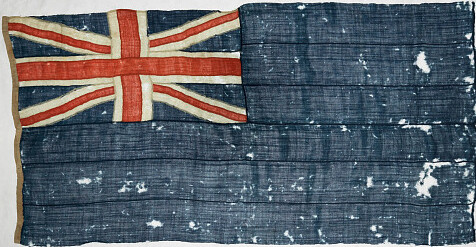 Said to have been given to Tecumseh (Shawnee, 1768-1813) by the British circa 1812, and carried during the Battle of the Thames in 1812 by Sawa Benashe (probably Yellow Hawk/Othaawaapeelethee, Shawnee, ca. 1728-ca. 1820) ; handed down in Sawa Benashe's family as an heirloom; purchased by Native art collector Milford G. Chandler (1889-1981) in 1942 from a descendant of Sawa Benashe; purchased by MAI from Milford Chandler in 1961. Source: Smithsonian Institution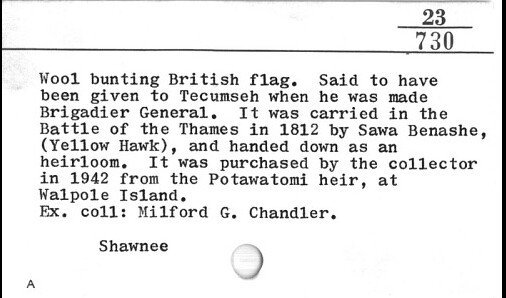


Light rain shower, with a high of 70 and low of 55 degrees. Don't forget your umbrella! Patchy rain nearby for the morning, light rain shower during the afternoon, overcast in the evening, patchy rain nearby overnight.