Image
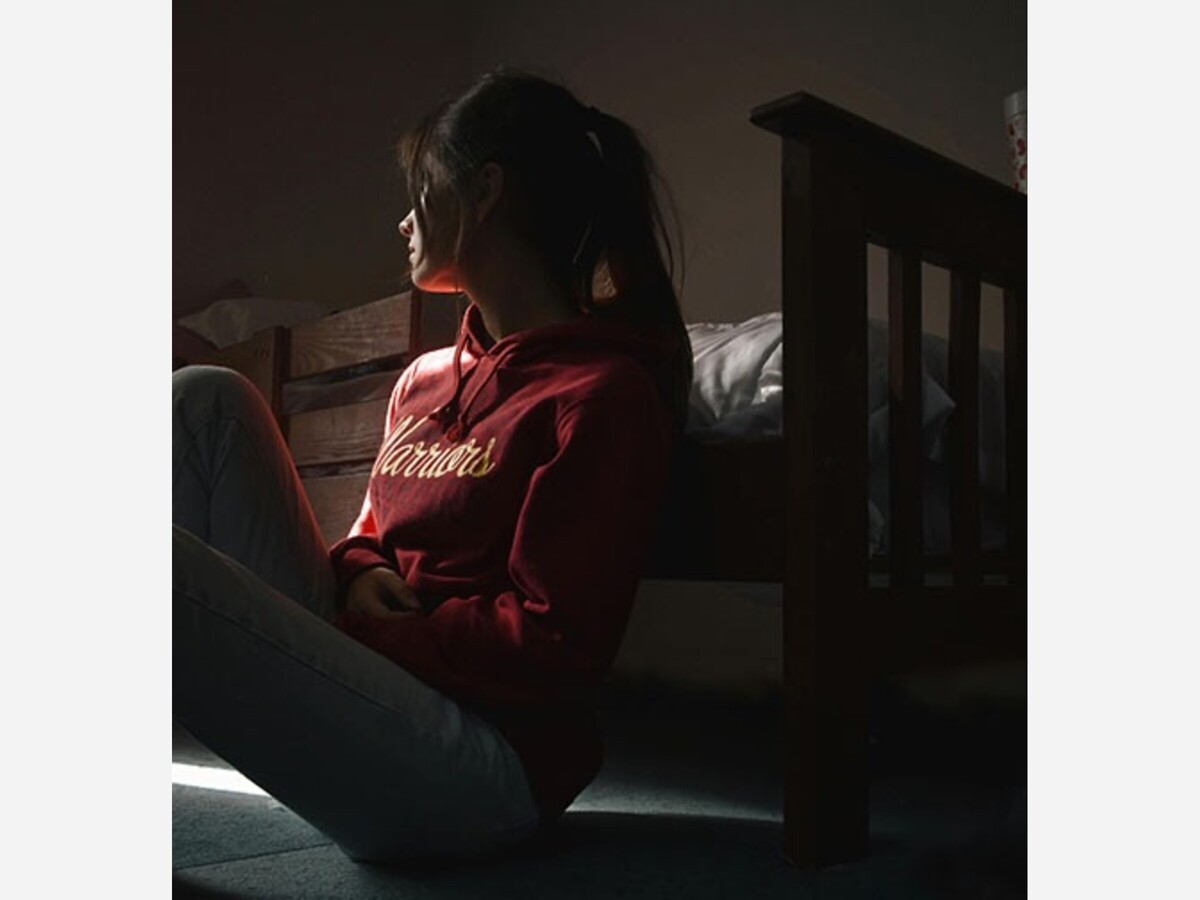
Photo via Pexels.com



Lebanon, OH -- As daylight hours shorten and temperatures drop, many people experience changes in mood and energy levels. Seasonal Affective Disorder (SAD), a form of depression linked to seasonal changes, is most common during the winter months.
“SAD occurs when reduced sunlight impacts the brain’s production of serotonin and melatonin, which can lead to feelings of depression,” said Dr. Joseph Kershner, primary care physician at Mercy Health – Lebanon. “It’s important to recognize the signs early and take steps to protect your mental health.”
Common symptoms of SAD include fatigue, oversleeping, withdrawal from social activities, and persistent low mood. While it’s normal to want to stay indoors during cold weather, Dr. Kershner warns that isolation can worsen symptoms.
“When you notice yourself avoiding social interaction or feeling constantly tired, those are red flags,” Dr. Kershner explained. “Depression can intensify quickly, so we encourage patients to address it head-on.”
Effective strategies for managing SAD include:
“Human connection and healthy habits are powerful tools,” Dr. Kershner added. “Sometimes we have to push ourselves to stay active and engaged, even when it’s hard. Those small steps make a big difference.”
For more information or to schedule an appointment, visit mercy.com



Sunny, with a high of 68 and low of 46 degrees. Sunny in the morning, clear during the afternoon and evening,