77° and Overcast

Warren County Flock Cameras, Privacy v. Safety


Warren County Flock Cameras, Privacy v. Safety
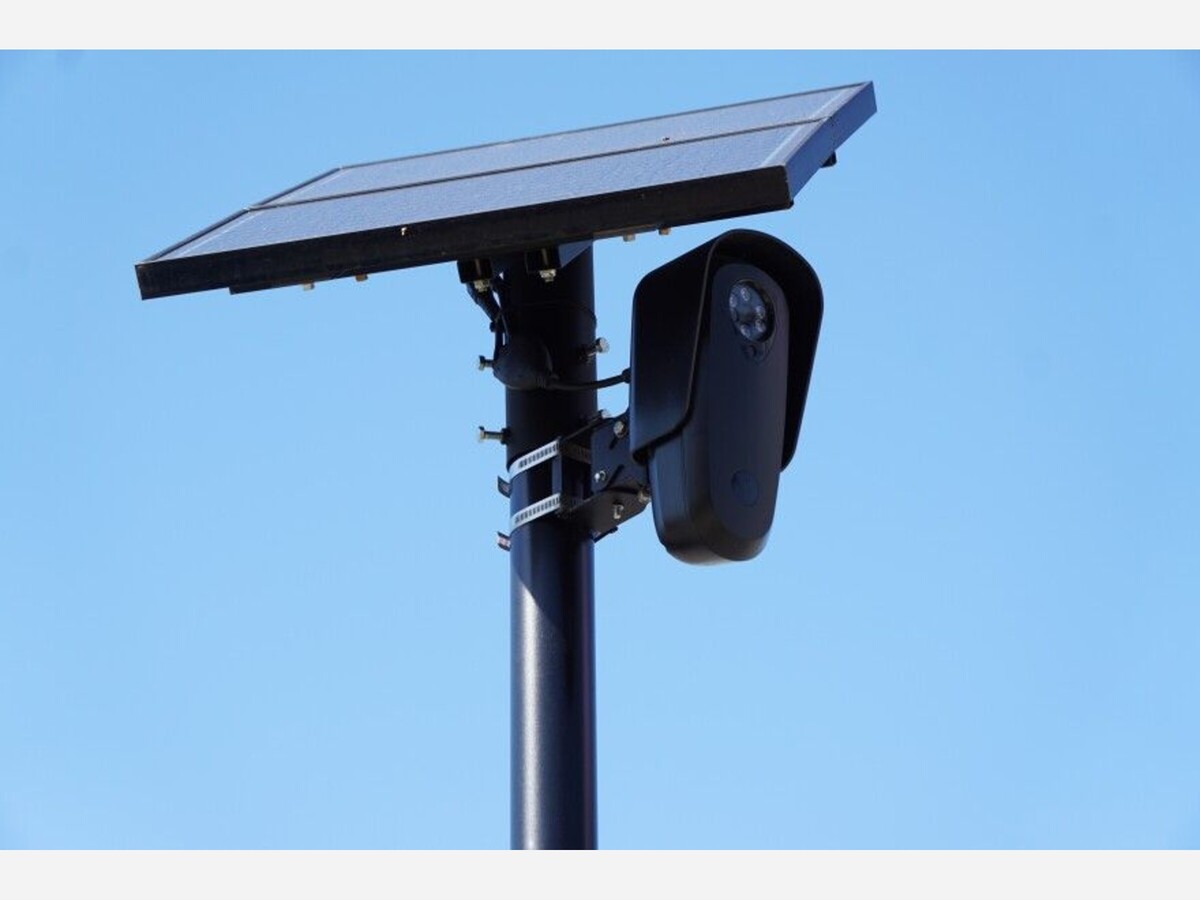
Automated license plate readers (ALPR) now stand at intersections throughout Warren County, deployed under contracts with firms such as Flock Safety. These solar powered cameras record every passing vehicle's plate number, timestamp, and location. Law enforcement officials credit the systems with recovering stolen vehicles, locating missing persons, and advancing investigations. Those results are real. They are also only part of the picture that county residents deserve to see.
Supporters often note that license plates are visible on public roads, so a camera is simply a more efficient version of an officer taking notes. That comparison understates what a countywide, networked camera grid actually does. A single observation and a searchable record of a vehicle's movements across months are different in kind, not merely degree. Courts have increasingly recognized this distinction. In Carpenter v. United States (2018), the Supreme Court held that comprehensive digital location tracking can constitute a Fourth Amendment search, even when individual data points seem unremarkable in isolation. This June, in Chatrie v. United States, the Court reinforced that principle in the context of location history data. The legal trend favors closer scrutiny of aggregated tracking, and ALPR networks fit that description of tracking.
Data governance is a related concern. Vendors advertise strong protections against third party data sales, yet independent reporting has found that such contract terms have not always remained fixed over time. Centralized databases also carry a risk of internal misuse. In Milwaukee, a police officer was criminally charged with using his department's ALPR system to track a former partner in 180 instances. The internal affairs detective who investigated that case was later charged with the same offense, involving someone he knew personally. Policy alone did not prevent either incident.
None of this argues against using this technology. It argues for using it within clearly defined limits. Holding companies accountable and to their policy Warren County officials should consider firm data retention periods, ideally 30 days absent an active investigation, explicit prohibitions on third party data transfers, and regular independent audits with public reporting.
Public safety and privacy are not inherently at odds, but they require deliberate balancing rather than assumption. Warren County has an opportunity to set that balance thoughtfully, before circumstances make the decision for it.
Useful Resources: