61° and Overcast
Image
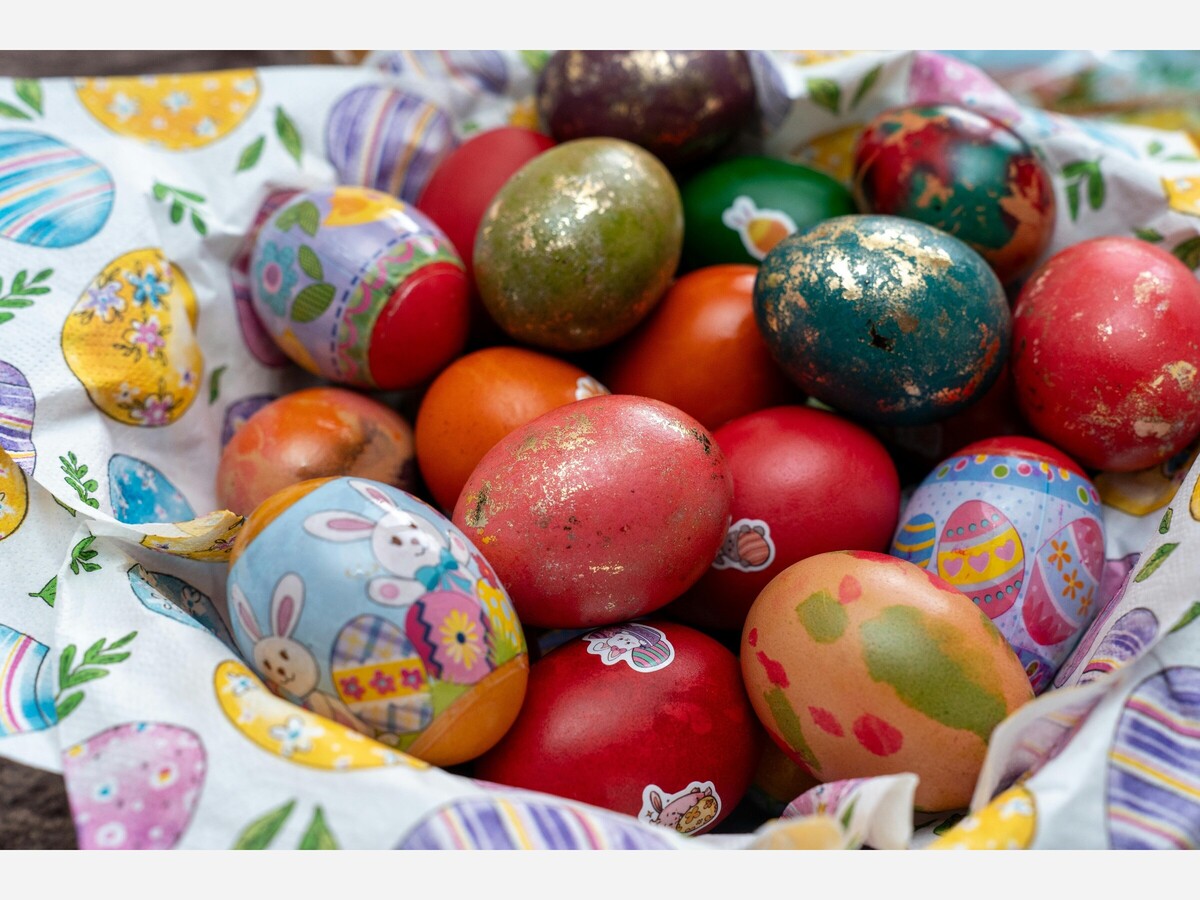
Photo via Pexels.com



WARREN CONTY, OH -- The name “Easter” for Resurrection Day has an interesting origin that’s partly linguistic and partly historical. Most Christians around the world actually call the holiday something derived from the Greek word Pascha (linked to Passover). But in English—and German—it’s different.
The word “Easter” is commonly traced back to an early medieval English monk named Bede, who wrote in the 700s. He explained that the name came from a pagan springtime festival dedicated to a goddess called Eostre (sometimes spelled Eastre).
According to Bede:
Modern scholars have debated whether she was a well-known deity or an invention of Bede, but some recent archaeological findings (such as inscriptions for the matronae Austriahenae) have provided circumstantial evidence supporting the existence of a Germanic goddess related to the name Eostre.
Even though the meaning of the holiday became fully Christian (celebrating the resurrection of Jesus), the name “Easter” remained in English-speaking regions.
Meanwhile:
All of those reflect the holiday’s connection to Passover, not Eostre. So, while “Easter” likely comes from a pre-Christian spring festival name, the religious meaning comes from Christianity and represents the celebration of the resurrection of Jesus Christ from death.
Eggs have been a symbol of new life and rebirth for thousands of years—long before Christianity.
There’s also a practical reason:
The bunny is also tied to spring and fertility.
In Germany, a folk tradition developed of an egg-laying hare called the “Osterhase”:


Patchy rain nearby, with a high of 71 and low of 61 degrees. Patchy rain nearby in the morning, light rain shower for the afternoon, overcast in the evening, patchy rain nearby overnight.